
Explore Coffins Patch Reef: Dive Into Adventure

The Underwater Paradise: Discovering Coffins Patch Reef
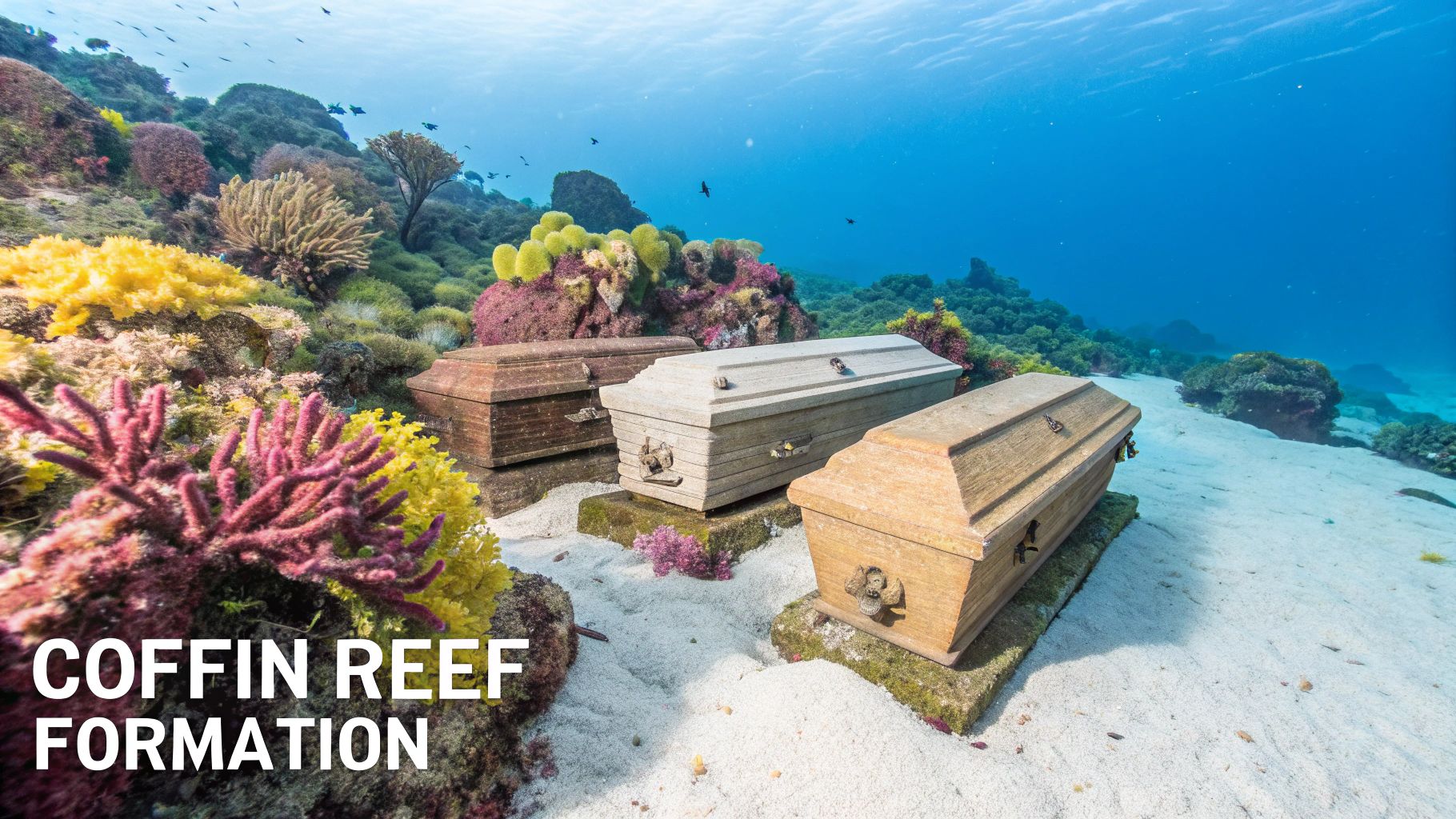
Coffins Patch Reef, a hidden gem tucked away in the vibrant waters of the Florida Keys, offers an enticing underwater escape. This isn't just any reef; it's a remarkable 248-acre Sanctuary Preservation Area (SPA) teeming with diverse marine life and intriguing geological formations. Located approximately 4.5 miles off Key Colony Beach, it’s easily accessible for an unforgettable aquatic adventure.
This proximity to the shore means shorter boat trips, maximizing your time exploring the reef itself. Over centuries, this unique location has shaped the reef's development, creating a fascinating variety of depths suitable for snorkelers and divers of all experience levels. Learn more at the official Coffins Patch Reef SPA website.
Exploring the Depths: A Diverse Underwater Landscape
The varying depths at Coffins Patch Reef contribute significantly to its rich biodiversity. Shallow areas, ideal for beginners, offer a captivating glimpse into the reef’s vibrant ecosystem. Snorkelers can easily observe colorful fish weaving through the coral formations.
Deeper sections beckon more experienced divers, presenting opportunities to encounter larger marine life and navigate more intricate underwater structures. This gradient of depths creates distinct microhabitats, each supporting a unique community of marine organisms.
Seasonal Wonders: Planning Your Perfect Visit
To plan an optimal visit, understanding Coffins Patch Reef’s seasonal patterns is key. Water clarity, for instance, fluctuates throughout the year, influencing visibility for both snorkelers and divers.
Marine activity also varies seasonally. Certain times of year witness migrations of different species, creating special opportunities for observation. Knowing these patterns enhances your underwater experience, allowing you to witness the reef at its most dynamic. You might also be interested in our sitemap for more information.
Responsible Exploration: Preserving Paradise
Designated as an SPA, Coffins Patch Reef is a protected ecosystem. While exploration is encouraged, responsible interaction with the environment is crucial. Visitors should observe marine life without disturbing it or removing anything from the reef.
This mindful approach ensures the continued health and vibrancy of this precious underwater paradise. For example, avoid touching corals or anchoring directly on the reef. By respecting the delicate balance of this ecosystem, we can contribute to its preservation for future generations.
Vibrant Ecosystems: The Living Tapestry of Coffins Patch Reef
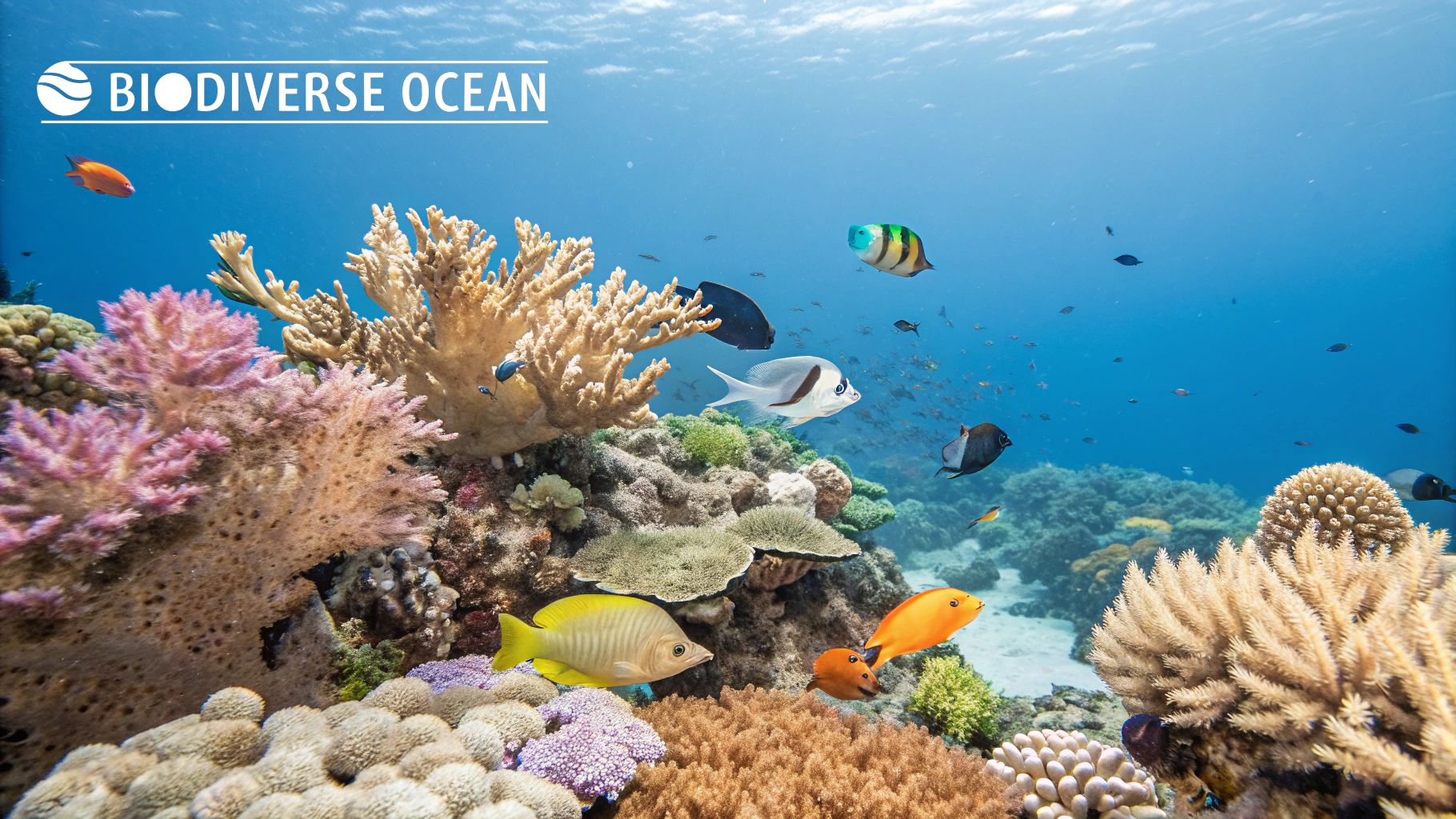
The clear, turquoise waters of Coffins Patch Reef hide a thriving underwater city. More than just a collection of corals, it's a dynamic ecosystem, a living tapestry connecting its inhabitants and their surroundings. This diverse habitat supports an incredible variety of species, from tiny invertebrates to large predatory fish. It's this vibrant ecosystem that truly makes Coffins Patch Reef an underwater paradise.
Coffins Patch Reef is known for its biodiversity and ecological importance. The reef supports a wide range of marine life, including large fish, sea turtles, sharks, and rays. It's also a haven for soft corals and other marine organisms that flourish in the shallows. The unique blend of hard and soft corals creates a complex ecosystem, attracting a variety of marine species.
This diversity makes Coffins Patch important for scientific research and conservation efforts. Located about 6-7 miles offshore from the Keys, the reef is accessible for snorkeling and diving expeditions. This allows visitors to experience the rich marine environment firsthand. You can learn more about visiting Coffins Patch in this informative blog post.
Coral Communities: The Foundation of Life
The heart of this ecosystem lies within its diverse coral communities. Hard corals, like the iconic brain coral and elkhorn coral, create a complex structure. This structure provides nooks and crannies where smaller creatures can hide. Soft corals, such as sea fans and gorgonians, sway gently in the current, adding color and providing shelter. This combination of hard and soft corals offers a variety of habitats for many species.
A Dazzling Array of Inhabitants
These coral structures become home to an amazing array of fish. Territorial damselfish dart among the branches, protecting their coral homes. Schools of colorful parrotfish graze on algae, their beak-like mouths scraping the coral surface. You might even spot a spotted eagle ray gliding overhead, its distinctive markings contrasting against the blue water. These are just a few examples of the fascinating residents of Coffins Patch Reef.
To help you explore the incredible biodiversity of Coffins Patch Reef, we've compiled a table highlighting some of the common marine life encounters:
A comprehensive guide to the diverse marine species you're likely to encounter throughout Coffins Patch Reef’s various habitats and depth zones.
| Species Category | Common Examples | Typical Depth | Best Time to Observe |
|---|---|---|---|
| Hard Coral | Brain Coral, Elkhorn Coral | Shallow – Medium | Daylight Hours |
| Soft Coral | Sea Fans, Gorgonians | Shallow – Medium | Daylight Hours |
| Fish | Damselfish, Parrotfish, Yellowtail Snapper | Varies | Daylight Hours |
| Rays | Spotted Eagle Ray | Medium – Deep | Daylight Hours |
This table gives you a glimpse into the rich marine life you can encounter at Coffins Patch Reef. From the shallow coral gardens to the deeper waters, there’s always something new to discover.
Microhabitats: Diversity Within the Reef
Depth and current patterns within Coffins Patch Reef create unique microhabitats. Shallow areas, filled with sunlight, support different species compared to deeper, darker areas. This creates remarkable biodiversity, even within a relatively small area. For example, certain sponges and anemones thrive in areas with specific current flows. This variation creates a mosaic of life throughout the reef.
Residents and Visitors: A Dynamic Community
Coffins Patch Reef has both permanent residents and seasonal visitors. Some species, like the yellowtail snapper, live there year-round. Others, like certain migratory fish and sea turtles, only appear during specific seasons. This dynamic adds another layer of complexity to the reef’s ecosystem. Learning to identify the differences between residents and visitors enhances your understanding of this underwater world.
Beneath the Waves: The Shipwreck Legacy of Coffins Patch Reef
The vibrant marine life of Coffins Patch Reef isn't the only story hidden beneath the waves. The reef's very name hints at a more somber past, a past filled with maritime tragedies. Over the centuries, Coffins Patch Reef has become an unintentional resting place for many ships. This section delves into the maritime history of Coffins Patch Reef and explores how it came to bear such an evocative name.
We'll uncover the unique combination of factors that contributed to this underwater collection of shipwrecks, from challenging currents to the navigational hazards of the past.
Navigational Hazards: A Reef's Grim Toll
The location of Coffins Patch Reef, while teeming with marine life, poses significant challenges for navigation. Strong and unpredictable currents, coupled with shifting weather patterns, can quickly transform a calm voyage into a dangerous struggle for survival. The shallow depths in certain areas of the reef also create unseen threats for unsuspecting vessels. These factors, along with the limited navigational tools of the past, have contributed to the reef's unfortunate history.
One particularly captivating story is that of the Adelaide Baker. This three-masted, iron-rigged bark, with its reinforced wooden hull, met its end on January 28, 1889. While transporting sawn timber from the Florida Keys to Savannah, Georgia, the Adelaide Baker ran aground due to a navigational error. The wreckage now lies scattered across a quarter-mile area in approximately 20 feet of water, four miles south-southeast of Duck Key. Today, the remains of the Adelaide Baker provide a habitat for a diverse array of marine life, including gorgonians, sponges, and colorful encrusting corals. You can learn more about the Adelaide Baker on the NOAA website.
From Shipwreck to Artificial Reef: A New Chapter
Though these shipwrecks represent tragedies, they have inadvertently created thriving new habitats for marine life. The sunken vessels now serve as artificial reefs, providing structures for corals and sponges to attach to and offering shelter for a multitude of fish species. This transformation has resulted in biodiversity hotspots within Coffins Patch Reef. What was once a place of loss is now teeming with life, a testament to the remarkable resilience of the marine environment.
A Glimpse into the Past: Preserving Maritime Heritage
These underwater wrecks aren’t just ecological wonders; they are also time capsules offering us glimpses into maritime history. Studying them provides marine archaeologists with valuable information about shipbuilding techniques, historical trade routes, and the lives of the sailors who once navigated these waters. This underwater museum connects us to Florida's rich maritime heritage, giving us unique insights into bygone eras.
Coffins Patch Reef, therefore, represents more than just a beautiful natural environment. It's also a place of significant historical importance. The submerged wrecks serve as reminders of the perils of seafaring and the formidable power of nature. They also demonstrate the incredible ability of the natural world to reclaim and transform, even in the face of adversity. Exploring Coffins Patch Reef is an opportunity to connect with both the natural wonders and the human stories that have shaped this unique underwater world.
Sunken Treasures: Hunt for History at Coffins Patch Reef
Coffins Patch Reef isn't just a vibrant underwater paradise teeming with life; it's also a captivating time capsule holding secrets of centuries past. Imagine Spanish doubloons, glimmering silver pieces of eight, and other priceless artifacts scattered across the seabed. These whispers of lost treasures have captivated imaginations for generations, drawing adventurers and dreamers alike to its depths.
This area represents a unique crossroads. It's a place where the thrill of discovery meets the responsibility of preservation. We'll delve into this exciting world, exploring the history and the delicate balance between treasure hunting and protecting our shared maritime heritage.
The 1733 Fleet Disaster: Scattering Riches
The story of Coffins Patch Reef's hidden wealth is intertwined with the tragic fate of the 1733 Spanish fleet. A powerful hurricane swept through the region, claiming a fleet of Spanish galleons laden with riches from the New World. The resulting shipwrecks scattered treasure across a vast area, including the waters surrounding Coffins Patch Reef.
This disaster transformed the area into a real-life underwater treasure chest. The reef is more than just a vibrant ecosystem; it's a historical landmark, a graveyard of ships lost to time and tempest. One such vessel, the San Ignacio, met its end in the shallow waters, its precious cargo spread across the seabed.
This has made Coffins Patch Reef a dream destination for treasure divers. Renowned salvors, including John Steffrey and Chuck Mitchell, have made significant discoveries in the area. Among their finds are valuable pillar dollars and fascinating miniature pewter cannons. You can learn more about the area's rich shipwreck history at NUMA.
Modern Treasure Hunting: Techniques and Regulations
Modern treasure hunting at Coffins Patch Reef is a fascinating blend of historical research and advanced technology. Divers employ tools like magnetometers and side-scan sonar to locate potential shipwreck sites beneath the waves.
However, the hunt for treasure isn't a free-for-all. Strict regulations govern recovery activities to protect historical artifacts and ensure responsible exploration. Any discovered treasures are often documented and preserved, adding to our understanding of maritime history.
The following table details some of the legendary wrecks of Coffins Patch Reef. It provides information on notable shipwrecks, their historical context, cargo manifests, and significant treasures recovered by salvors throughout history.
Legendary Wrecks of Coffins Patch Reef
| Shipwreck Name | Year | Origin/Destination | Cargo Type | Notable Discoveries |
|---|---|---|---|---|
| San Ignacio | 1733 | Havana to Spain | Gold, silver, spices | Pillar dollars, miniature cannons |
| Other 1733 Fleet Vessels | 1733 | Varies | Varies | Silver coins, artifacts |
| (Further research can populate this table with more specific wreck data) |
This table offers a glimpse into the historical treasures that lie beneath the surface of Coffins Patch Reef, showcasing the variety of ships and their valuable cargoes. Further historical research can expand this table with details about specific shipwrecks.
Experiencing the Thrill Responsibly
Even without actively searching for lost riches, visitors to Coffins Patch Reef can experience the thrill of this underwater treasure hunt. Simply exploring the reef and imagining the historical events that unfolded there is a captivating experience in itself.
Many local dive operators offer guided tours focused on the area's maritime history. These tours offer a chance to learn about the shipwrecks, the recovered artifacts, and the ongoing efforts to preserve this important legacy. By respecting the natural and cultural heritage of Coffins Patch Reef, we can ensure that its treasures, both living and historical, can be enjoyed for generations to come. The stories of sunken treasures add a compelling layer of intrigue to this already fascinating underwater world, reminding us that the spirit of exploration and discovery continues.
Your Ultimate Guide to Experiencing Coffins Patch Reef
Coffins Patch Reef, located about 4.5 miles off Key Colony Beach in the Florida Keys, offers an exceptional snorkeling and diving experience. This 248-acre Sanctuary Preservation Area (SPA) is more than just a pretty coral reef; it's a vibrant ecosystem teeming with marine life, boasting crystal-clear waters and incredible visibility. Planning your visit with a little knowledge of this underwater paradise will ensure a truly memorable trip.
Choosing the Right Charter: Finding the Perfect Boat Trip
Reaching Coffins Patch Reef usually requires a boat, and choosing the right charter service can significantly improve your overall experience. Look for operators with seasoned captains who understand the reef’s layout and its diverse inhabitants. This local expertise ensures they can navigate you efficiently to the best snorkeling and diving spots within the SPA.
Also, consider the passenger-to-crew ratio. A smaller ratio means more personalized attention, particularly helpful for first-time snorkelers or those wanting a more private experience. Certified lifeguards and CPR-trained crew members add extra safety and peace of mind. Solé Watersports, voted Best Watersports company in Marathon two years running, offers expert-led excursions to Coffins Patch Reef. They emphasize safety and small group sizes, providing a more personalized underwater exploration.
Essential Equipment: Preparing for Your Underwater Adventure
The right equipment makes for a comfortable and enjoyable visit to Coffins Patch Reef. For snorkelers, a well-fitting mask, snorkel, and fins are crucial for easy movement and clear underwater views. A rash guard or wetsuit provides additional protection from the sun and potential stings.
Divers should check that their scuba gear is properly maintained and that they are familiar with the reef’s varying depths. Underwater cameras, disposable or professional, allow you to capture the reef's vibrant beauty. Need some gear advice? Check out our guide on choosing the best snorkeling gear for recommendations.
Ideal Conditions: Planning Around Wind, Tides, and Seasons
Several factors influence the best time to visit Coffins Patch Reef. Wind patterns affect water clarity and surface conditions. Calm days with light winds are ideal for clear visibility and a smooth boat ride.
Tides also impact water levels and currents, affecting access to certain areas of the reef. Checking tide charts before you go helps determine the optimal time for your planned activities.
Seasonal changes also influence water clarity and marine activity. While accessible year-round, certain seasons offer improved visibility and chances to observe specific species. The warmer months typically bring calmer waters and increased marine life activity.
Maximizing Your Encounter: Respecting the Reef and Its Inhabitants
Coffins Patch Reef offers a chance to see diverse marine life, including colorful tangs, jacks, stingrays, nurse sharks, groupers, lobsters, butterflyfish, and moray eels. To fully enjoy your encounter while minimizing your impact, remember a few key practices. Keep a respectful distance from marine animals. Avoid touching or harassing them, and don't feed them, as this disrupts their natural behavior.
Also, avoid touching or standing on the coral formations, as they are delicate and easily damaged. Be mindful of your fins, making sure they don’t contact the coral. Following these guidelines helps preserve this unique underwater ecosystem.
Protecting Paradise: Conservation at Coffins Patch Reef
The beauty of Coffins Patch Reef exists in a delicate balance, constantly facing threats from environmental shifts and human impact. This vital ecosystem needs continuous care to protect its vibrant coral and the diverse marine life it supports. Let's explore the critical conservation work happening at Coffins Patch Reef and how these strategies help ensure its future.
Monitoring Reef Health: A Scientific Approach
Protecting Coffins Patch Reef begins with understanding its current condition. Scientists and conservationists use advanced monitoring systems to track key indicators of reef health. These include assessments of coral cover, tracking water quality, and monitoring fish populations.
This data provides valuable insights into the reef's overall health and helps identify emerging threats. For example, shifts in water temperature or the presence of pollutants can signal potential issues needing immediate action.
This proactive approach allows for timely interventions, mitigating potential damage to the reef.
Restoration Techniques: Rebuilding the Reef
Active restoration plays a crucial role in preserving Coffins Patch Reef, going beyond simply monitoring its health. Innovative techniques are used to rebuild damaged coral formations.
One such method is coral propagation. This involves growing coral fragments in nurseries and transplanting them onto the reef. This technique accelerates the recovery of damaged areas and boosts coral cover.
Additionally, ongoing work combats coral disease outbreaks. Researchers are studying the causes of these diseases and developing strategies to prevent further spread. Combining restoration with disease management ensures the reef's long-term health and resilience.
Marine Protected Areas: Safeguarding Biodiversity
Coffins Patch Reef benefits from its status as a Sanctuary Preservation Area (SPA). This designation provides a layer of protection against potentially harmful human activities.
For instance, anchoring restrictions help prevent damage to the coral, while fishing regulations maintain healthy fish populations. These marine protected area strategies have proven positive impacts on reef health.
They safeguard biodiversity, ensuring Coffins Patch Reef remains a thriving haven for a wide variety of marine life. Learn more about various reef conservation efforts through our guide: Various Reef Conservation Projects.
Citizen Science: Contributing to Conservation
Visitors can play a vital role in protecting Coffins Patch Reef by participating in citizen science initiatives. These programs allow individuals to contribute to data collection and research activities.
Snorkelers and divers can document marine life observations, providing valuable information for ongoing monitoring. This empowers visitors to become active stewards of the reef, creating a sense of connection and responsibility.
Participating in reef cleanups also directly contributes to the reef's health by removing debris and pollution.
Collective Action: Shaping the Future
The future of Coffins Patch Reef relies on the combined efforts of scientists, policymakers, local businesses, and visitors. Continued research, effective management, and responsible tourism are essential for its long-term survival.
By working together, we can ensure this underwater treasure thrives for generations to come. Protecting Coffins Patch Reef isn't just a scientific endeavor; it's a shared responsibility, demonstrating our commitment to preserving the wonders of the natural world.
Experience the beauty of Coffins Patch Reef firsthand with the Marathon Snorkeling and Sunset Cruise. Our expert-led tours provide unforgettable opportunities to explore this underwater paradise while supporting sustainable tourism. Book your adventure today: https://snorkelingmarathon.com and help preserve this incredible ecosystem.