
Coffins Patch Snorkeling: Discover Florida Reefs

Diving Into Coffins Patch: Your Ultimate Snorkeling Adventure
Beyond the typical Florida Keys experience lies a hidden gem, a snorkeler's paradise known as Coffins Patch. This 248-acre underwater sanctuary consistently earns higher praise than other Middle Keys destinations, attracting both marine biologists and seasoned snorkeling guides. What makes it so special? The answer lies in its unique geological formations, exceptional visibility, and the diverse marine life it harbors, offering unforgettable encounters for even novice snorkelers.
The remarkable clarity of the water is due to the relatively shallow depths of the patch reefs. These formations, built over time by coral growth and other marine organisms, provide a haven for a variety of life forms. The shallow water also allows sunlight to easily penetrate, illuminating the vibrant colors of the coral and fish, creating breathtaking underwater views. This makes Coffins Patch perfect for snorkelers of all skill levels.
Located about four and a half miles off Key Colony Beach, Coffins Patch is a recognized snorkeling haven in the Florida Keys. It is part of the Coffins Patch Sanctuary Preservation Area (Coffins Patch SPA), providing some of the finest snorkeling experiences in the Middle Keys. The shallow patch reefs are teeming with a rich assortment of marine life, from tangs and jacks to stingrays, nurse sharks, groupers, lobsters, butterflyfish, and moray eels. The area is also known for its soft corals and impressive boulder corals, some reaching up to three feet in diameter. You can even find historic patches of pillar coral at the western edge of the SPA at a depth of 25 feet.
Navigating to Coffins Patch and Maximizing Your Experience
Reaching this offshore oasis is easy from the marinas located at Key Colony Beach. Local captains offer valuable navigation tips, sharing key orientation points to help you maximize your underwater exploration. This local expertise can greatly enhance your snorkeling adventure by guiding you towards the most vibrant areas of the reef. For example, they can advise on the best entry points based on currents and water depth.
Timing your visit strategically is essential for optimal snorkeling conditions. Local wisdom suggests that morning departures often offer the clearest waters and the calmest seas. However, it’s also wise to consider seasonal variations in water clarity and marine life activity. Planning ahead can truly make the difference between a good snorkeling trip and an exceptional one. You might find some helpful planning information here: Snorkeling Marathon Sitemap.
Unveiling the Underwater Wonders
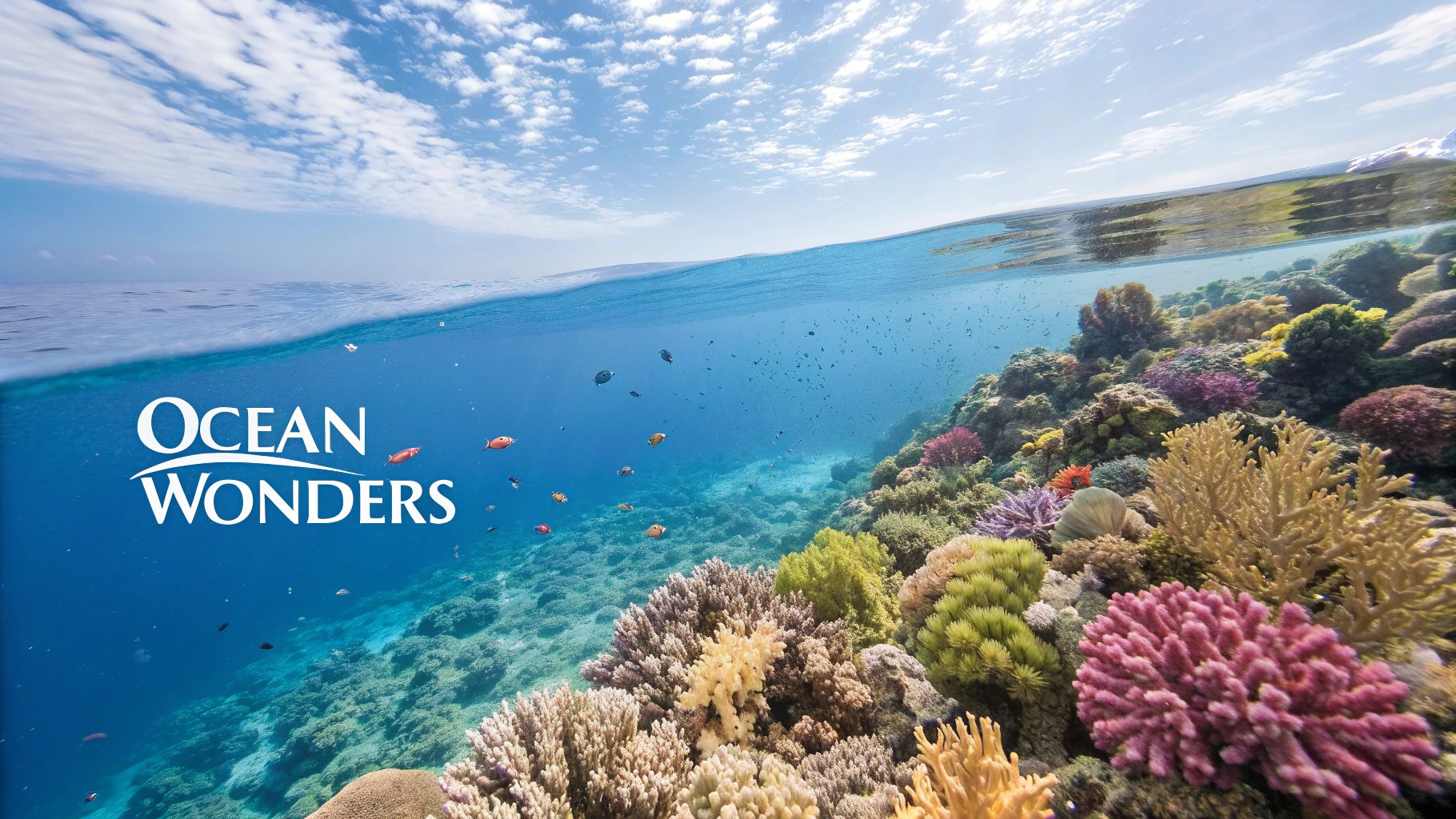
The shallow depths, combined with the thriving reef ecosystem, create an ideal environment for a wide array of marine life. Imagine gliding over colorful coral gardens teeming with kaleidoscopic butterflyfish, or exploring the deeper edges where larger predators patrol. These diverse habitats contribute to the incredible biodiversity that makes Coffins Patch so unique.
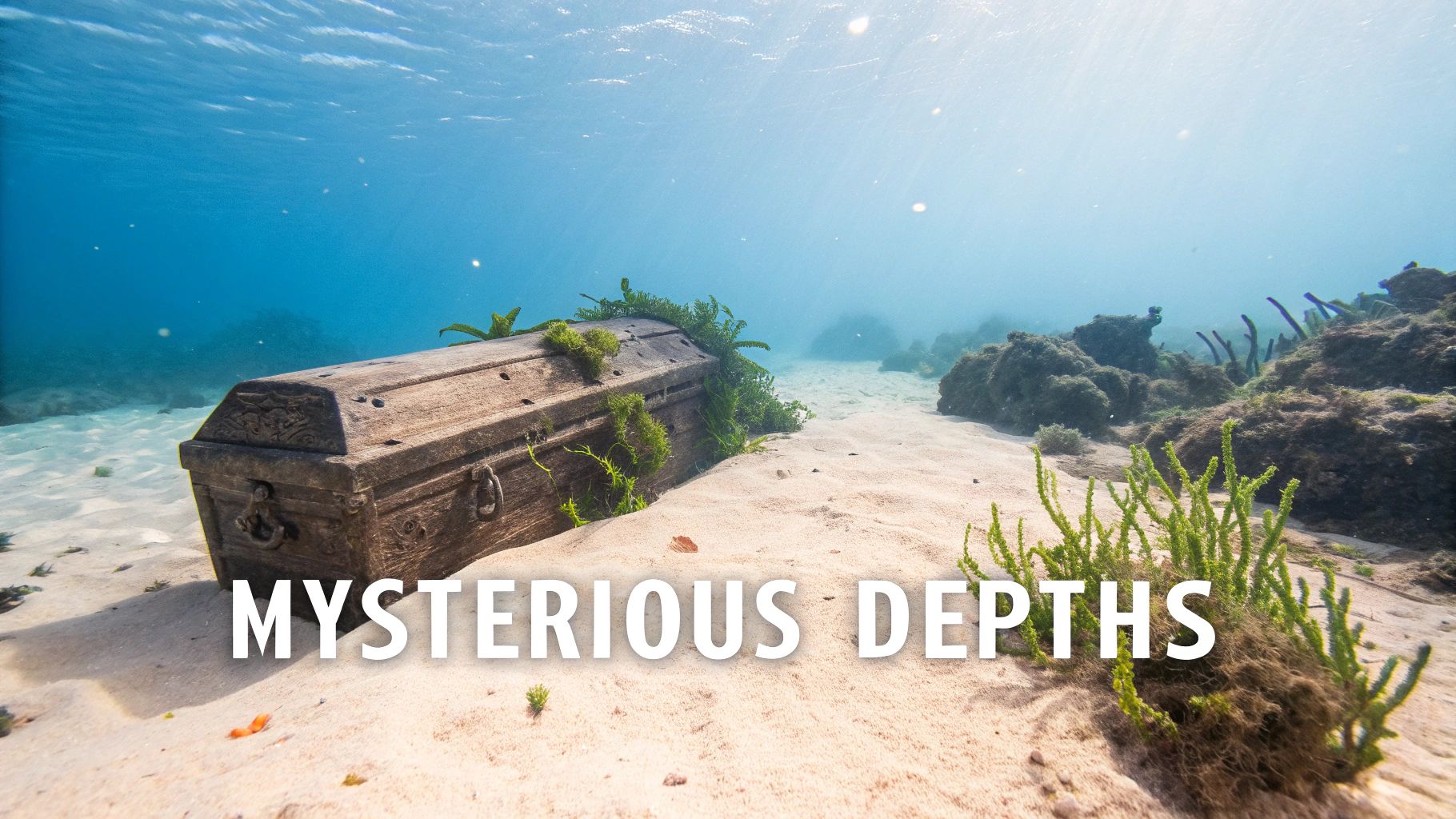
This combination of factors – unique geology, exceptional visibility, diverse marine life, and easy access – makes Coffins Patch a truly remarkable snorkeling destination. Whether you’re a seasoned snorkeler or just beginning your underwater adventures, Coffins Patch promises an unforgettable experience.
Breathtaking Marine Life: What Makes Coffins Patch Special
Coffins Patch isn't just a typical reef; it's a bustling underwater metropolis teeming with marine life. Snorkeling here reveals an amazing display of biodiversity. From the ubiquitous blue tangs to the more elusive nurse sharks, every creature plays a vital role in this dynamic ecosystem. Understanding their habits and favorite hangouts will greatly enrich your snorkeling adventure.
Identifying The Reef's Inhabitants
One of the most frequent sights at Coffins Patch is the blue tang, easily identified by its striking blue body and yellow tail. Look a little closer, though, and you'll discover other surgeonfish sharing the reef. These fish, named for the sharp spines near their tails, are captivating to watch as they graze on algae. This grazing is essential, keeping the coral healthy and preventing it from being overtaken by algae.
Another fascinating resident is the nurse shark. While their size might seem intimidating, these sharks are generally peaceful and play a key role in regulating prey populations. Finding one resting beneath a coral ledge is a real treat. Look for their distinctive whisker-like barbels near their mouths, which help them locate food on the sandy seabed.
Different species often gather around particular reef structures. For example, butterflyfish, with their vibrant patterns, are drawn to shallow coral gardens where they dine on coral polyps and small invertebrates. This demonstrates the interconnectedness of the reef's residents and the specialized roles they fill.
Exploring Underwater Neighborhoods
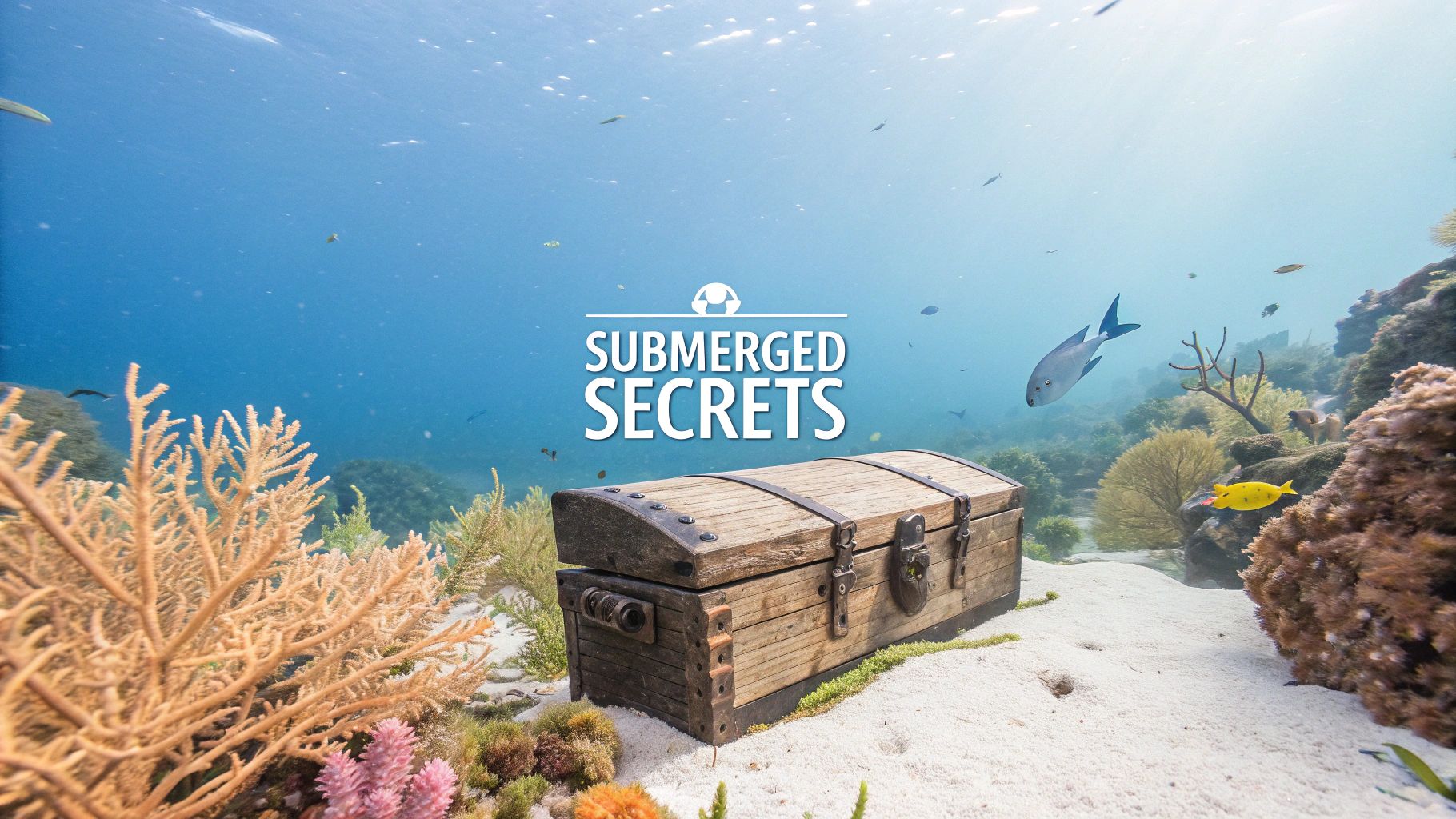
Coffins Patch boasts a variety of underwater "neighborhoods," each supporting different marine communities. The shallow coral gardens are hives of activity, attracting not only butterflyfish, but also parrotfish, angelfish, and a multitude of other colorful species. The deeper edges of the reef offer hunting grounds for larger predators such as barracuda and groupers, providing a glimpse into the predator-prey relationships within the reef. This diverse terrain adds another layer of fascination to your snorkeling trip.
Seasonal Wildlife and Photography Tips
The marine life at Coffins Patch changes with the seasons, providing distinct viewing experiences year-round. For instance, some species are more abundant during particular months for breeding or feeding. Learn more in our article about the Marathon Snorkeling Sitemap. Documenting these encounters through underwater photography requires some specialized techniques. Adjusting your camera settings for varying light conditions is essential. Maintaining a respectful distance during observation is crucial to avoid disturbing the delicate ecosystem. This responsible approach allows you to appreciate the reef's beauty while helping preserve it for others.
To help you spot some of the common marine life, here's a handy table:
Common Marine Species at Coffins Patch
An overview of the most frequently spotted marine creatures during snorkeling trips at Coffins Patch, organized by category.
| Species Type | Common Name | Best Season | Where to Spot |
|---|---|---|---|
| Surgeonfish | Blue Tang | Year-round | Shallow reef areas |
| Shark | Nurse Shark | Year-round | Under coral ledges |
| Butterflyfish | Various | Year-round | Shallow coral gardens |
This table highlights some of the common species you can expect to see while snorkeling at Coffins Patch and provides tips on where and when to find them. Remember, each season brings its unique charm to the reef, so there's always something new to discover.
Coffins Patch truly offers a glimpse into an amazing world of biodiversity. By understanding the connections between the species and their environment, you can fully appreciate the wonder of this exceptional snorkeling site.
Snorkeling Through History: Coffins Patch Shipwreck Trail
Beneath the clear turquoise waters of Coffins Patch lies a captivating underwater world. It's more than just vibrant coral and colorful fish; this snorkeling destination offers a unique glimpse into maritime history. The area is a veritable underwater museum of shipwrecks and their stories. Over the centuries, its treacherous combination of shallow reefs, unpredictable currents, and difficult navigation has earned Coffins Patch a reputation as a natural "ship trap."
Uncovering Maritime Secrets
Coffins Patch has earned the nickname "shipwreck graveyard" due to the sheer number of vessels that have met their fate in these waters. One notable wreck is the San Ignacio, a Spanish treasure galleon that sank in the early 18th century. As part of the 1733 Spanish Treasure Fleet, the San Ignacio's remains lie in just 10 to 18 feet of water. The site has yielded a treasure trove of artifacts scattered across a vast area, including coins and silverware. Learn more about the fascinating history of Coffins Patch shipwrecks. For those gearing up for their own underwater adventures, check out this helpful guide on Snorkeling Equipment.
Snorkeling through this historical site provides a firsthand look at how man-made structures transform into vibrant ecosystems. You’ll learn to identify the telltale signs of shipwreck debris. These include everything from piles of ballast stones, used to stabilize ships, to scattered timbers now encrusted with marine life. These remnants become the foundations for artificial reefs, attracting a diverse array of marine species.
From Shipwreck to Reef: An Ecological Transformation
Observing the process of ecological succession on these wrecks is truly fascinating. Marine life gradually colonizes the structures. It begins with algae and invertebrates, followed by corals and sponges. Eventually, fish and other larger organisms move in, creating unique micro-habitats. These artificial reefs often differ significantly from natural reefs, providing specialized niches for certain species.
For instance, the nooks and crannies within a shipwreck can offer shelter for smaller fish and invertebrates. The exposed surfaces, on the other hand, become a place for corals to attach and grow. This dynamic interplay between history and nature creates a snorkeling experience unlike any other.
Respecting the Past, Protecting the Future
Preserving these underwater time capsules is crucial. Respectful viewing protocols, developed with preservationists, help ensure these sites remain intact for future generations. By following these guidelines, snorkelers can enjoy the historical and ecological wonders of Coffins Patch without causing damage.
This includes maintaining a safe distance from the wrecks, avoiding contact with any artifacts, and practicing proper buoyancy control to prevent accidental disturbance of the seabed. This thoughtful approach allows everyone to experience the magic of these underwater historical sites while ensuring their preservation for years to come.
The Adelaide Baker: Snorkeling a Living Maritime Time Capsule
Among Coffins Patch's many underwater treasures, the Adelaide Baker shipwreck stands out. It's an accessible and fascinating site for snorkelers of any experience level. This 19th-century shipwreck isn't just debris; it's a living time capsule, teeming with marine life and offering a unique glimpse into maritime history. We'll guide you through exploring this remarkable site with detailed mapping and underwater photography.
Identifying Key Features of the Adelaide Baker
Even after over a century underwater, key features of the Adelaide Baker are still visible. While marine growth has taken hold, the scattered remains tell a compelling story. The Adelaide Baker was a three-masted, iron-rigged, and iron-reinforced wooden-hull bark. Originally named F. W. Carver, it was built in 1863 in Bangor, Maine, and measured 153 feet between perpendiculars.
The ship wrecked on Coffins Patch Reef on January 28, 1889, while carrying lumber to Savannah, Georgia. A navigational error led to its demise, but thankfully, no lives were lost. Today, the remains are scattered over a quarter-mile area, a haven for various marine organisms. Dive deeper into the Adelaide Baker's history.
This expansive debris field offers a unique snorkeling experience. Picture yourself navigating through scattered timbers now covered in colorful corals and sponges. You might even see remnants of the iron reinforcement, a testament to the ship's advanced construction for its time. These features provide a tangible link to the past, allowing you to imagine the grandeur of this once-magnificent vessel.
From Disaster to Artificial Reef: A Thriving Ecosystem
The Adelaide Baker’s tragic end has created a vibrant artificial reef. The wreckage, once a symbol of misfortune, is now a foundation for life. Different areas of the wreck provide specialized habitats for diverse marine species.
The ship's wooden hull, now softened and decaying, offers an ideal home for invertebrates like sponges and anemones. The corroding iron components offer attachment points for hard corals, slowly transforming the wreckage into a colorful coral garden. This transformation showcases nature's ability to reclaim and repurpose even man-made disasters.
Navigating the Wreckage: Tips From Professional Guides
Navigating the Adelaide Baker's scattered remains can be difficult. Professional guides use specific orientation techniques, relying on prominent features like the largest hull section or the ballast stones as navigational markers.
This approach helps snorkelers understand the ship's layout and how the different parts connect. It transforms a simple snorkeling trip into an exploration of both natural and human history, offering a deeper connection to the Adelaide Baker's past. These techniques create a richer, more engaging experience.
Planning Your Perfect Coffins Patch Snorkeling Expedition
Embarking on a snorkeling adventure at Coffins Patch starts with a well-thought-out plan. This includes selecting the best way to get there, knowing the ideal times to go, and packing the right gear. With a few insider tips from local Keys marine guides, you can truly maximize your enjoyment of this underwater paradise.
Choosing Your Adventure: Private Charters Vs. Group Tours
Since Coffins Patch is offshore, you'll need a boat to get there. You have two main options: private charters and group tours. A private charter offers flexibility, allowing you to customize the schedule and tailor the trip to your specific desires. However, this personalized experience comes at a higher price.
Group tours offer a more budget-friendly option, often led by knowledgeable naturalists who provide fascinating insights about the reef and its inhabitants. These group excursions can be a fantastic way to connect with fellow snorkeling enthusiasts. To help you decide, here’s a comparison of some local tour operators.
To help you compare and choose the best tour for your needs, here's a handy table:
Coffins Patch Snorkeling Tour Operators Comparison: This table compares key providers offering guided snorkeling trips to Coffins Patch.
| Tour Operator | Departure Location | Trip Duration | Group Size | Price Range | Includes |
|---|---|---|---|---|---|
| Captain Hooks | Marathon, FL | 4 hours | 6-12 | $75-$125 | Snorkeling gear, guide, water/snacks |
| Sea Monkeys Snorkeling | Big Pine Key, FL | 3 hours | 8-16 | $60-$100 | Snorkeling gear, guide |
| Key West Eco Tours | Key West, FL | 5 Hours | 10-20 | $90-$140 | Snorkeling gear, guide, lunch |
| Private Charter – Example | Your Choice | Flexible | Your Group | $500+ | Boat, Captain (Gear rental separate) |
This table provides a quick overview of different tour options available for snorkeling at Coffins Patch, ranging from smaller, more intimate group tours to larger excursions and the option of a private charter. Note that prices and inclusions can vary, so always check with the individual operator for the most up-to-date information.
Timing Is Everything: Morning Departures and Seasonal Considerations
Mornings are generally the preferred time for snorkeling at Coffins Patch. The typically calmer morning waters provide better visibility, creating a more comfortable and enjoyable snorkeling experience. The angle of the morning sun also provides optimal lighting for underwater photography.
Seasonal weather patterns are another important factor. The summer months bring warmer water temperatures, but also carry a higher risk of afternoon thunderstorms. The spring and fall shoulder seasons often offer a pleasant balance of good weather and fewer crowds. Keep in mind that seasonal changes affect both water clarity and the activity of marine life.
Essential Gear: Beyond the Basics
While a mask, snorkel, and fins are essential, a few extra items can greatly enhance your Coffins Patch adventure. A waterproof camera, with settings adjusted for changing light conditions, can help you capture the vibrant colors of the reef.
Reef-safe sunscreen is vital, protecting both your skin and the delicate ecosystem. Be sure to choose mineral-based sunscreens and avoid chemical sunscreens that can harm coral. For added comfort, especially for longer snorkeling sessions, consider a rash guard or a thin wetsuit. For more information on gear, check out our guide on Snorkeling Equipment and Other Gear.
Navigating Coffins Patch: Tips From Experienced Captains
Coffins Patch presents unique navigational challenges due to its specific geography. Currents can be unpredictable, and choosing the right entry points is essential. Experienced boat captains offer invaluable local knowledge about these factors, helping you maximize your underwater time without unnecessary fatigue or stress.
They can guide you to the most vibrant sections of the reef, while ensuring you stay within safe and manageable areas. For instance, they might suggest particular routes to avoid strong currents or shallow coral formations. Heeding their advice allows you to fully appreciate the beauty of Coffins Patch while ensuring a safe and enjoyable snorkeling experience. Learning basic navigation techniques, such as using landmarks or following the boat’s anchor line, can also boost your confidence in the water. These skills are particularly helpful if you venture beyond the immediate vicinity of the boat. By preparing adequately and leveraging the expertise of local captains, your Coffins Patch snorkeling expedition can become a truly unforgettable underwater adventure.
Preserving Paradise: The Future of Coffins Patch Snorkeling
The vibrant coral gardens and abundant marine life at Coffins Patch aren't just a stroke of luck. They thrive thanks to ongoing conservation efforts. The future of this snorkeling paradise hinges on responsible stewardship, both from environmental organizations and visitors. Through collaborations between marine sanctuary managers and coral restoration scientists, a careful balance is maintained between allowing access and safeguarding this underwater treasure.
The Impact of Protection: Sanctuary Preservation Area Designation
Designating Coffins Patch as a Sanctuary Preservation Area (SPA) has yielded measurable positive results. Documented improvements in coral health and fish populations demonstrate the effectiveness of these protections. For instance, reducing certain fishing practices within the SPA has allowed fish populations to rebound, creating a more balanced ecosystem. You might also be interested in learning more about sitemaps. Reduced motorized vessel traffic minimizes physical damage to the fragile coral formations, giving the reef a greater chance to recover and flourish. These positive changes emphasize the importance of protected areas in preserving our marine ecosystems.
Innovative Restoration Techniques: Building a Brighter Future
Coffins Patch benefits from innovative restoration techniques to enhance the reef’s resilience. Coral nurseries, where small coral fragments are cultivated and transplanted to damaged areas, show promising results. This method accelerates the reef’s natural recovery. Strategic invasive species management is another crucial initiative. Controlling non-native species that can harm the reef creates a healthier environment for native coral and fish. This work is essential for maintaining the health and biodiversity of Coffins Patch.
Snorkeling Responsibly: Minimizing Your Underwater Footprint
As a snorkeler, you play a vital role in preserving this underwater paradise. Buoyancy control, maintaining neutral buoyancy to avoid contact with the coral, is essential. Just as a hiker can inadvertently trample wildflowers, an uncontrolled snorkeler can damage delicate coral. Imagine hovering effortlessly above the reef, not bumping into it. Thoughtful photography practices are also important. Capture the beauty, but avoid disturbing marine life or their habitat.
Maintaining a respectful distance from marine life is crucial. Getting too close can cause stress and disrupt natural behaviors. By adhering to responsible snorkeling practices, you help ensure the continued health and beauty of this unique ecosystem. Consider participating in citizen science initiatives. Reporting sightings of specific species or unusual occurrences can provide valuable data to scientists monitoring the reef.
Ready to experience Coffins Patch and contribute to its preservation? Book your Marathon Snorkeling and Sunset Cruise today! We offer tours for all skill levels, emphasizing responsible snorkeling practices.