
Deep Sea Fishing Florida Keys: Trophy Adventures
The Untold Story of Florida Keys Deep Sea Fishing
The Florida Keys, a stunning chain of islands, has evolved from a quiet retreat into a globally recognized deep sea fishing destination. This transformation is a fascinating story of determined anglers, abundant marine life, and the crucial infrastructure developments that opened up these once-remote fishing grounds.
Early fishing enthusiasts, lured by tales of plentiful waters, braved the largely unexplored territory of the Florida Keys. Their stories of remarkable catches gradually spread, establishing the region's reputation. These pioneers set the stage for what would become a flourishing sport fishing industry.
The unique convergence of the Gulf Stream, complex reef systems, and diverse underwater terrain created a perfect environment for a multitude of sought-after game fish. This combination of factors makes deep sea fishing in the Florida Keys a truly special experience.
The Building of a Fishing Paradise
The Florida Keys' reputation for deep sea fishing began to solidify in the early 20th century. Visionary industrialist Henry Flagler played a significant role in this transformation. He spearheaded the construction of the Florida Keys Overseas Railroad in 1912, which was later converted into the Overseas Highway in 1938. This development gave wider access to the Keys, turning it into a prime sport fishing location. Explore this topic further.
The Rise of a Fishing Mecca
The completion of the Overseas Highway was a turning point. Anglers from across the nation could now easily reach these once-isolated waters. This surge in visitors fueled the growth of charter businesses and supporting industries. The Florida Keys’ position as a fishing mecca was cemented.
The region’s distinctive geography and ecosystems offer diverse fishing experiences, from battling tarpon in the shallows to wrestling grouper among the reefs and pursuing billfish in the Gulf Stream. This variety attracts anglers of all skill levels. You might be interested in: Our Sitemap.
A Legacy of Abundance
Today, the Florida Keys continue to attract anglers hoping for a trophy catch. The legacy of abundant waters, combined with the accessibility provided by the Overseas Highway, ensures the region maintains its enduring appeal.
This delicate balance of rich fishing grounds and responsible access has allowed deep sea fishing in the Florida Keys to flourish for over a century. The ongoing popularity of deep sea fishing in the area speaks to its lasting allure and the promise of remarkable adventures.
Trophy Waters: Mastering Florida Keys Fishing Grounds
The Florida Keys offer more than just stunning sunsets and relaxing beaches. They're a dream destination for any serious angler. But deep sea fishing here requires more than just luck; it takes a deep understanding of the diverse fishing grounds, from the shallows of Key Largo to the deep waters off Key West. Knowing the where, when, and why of trophy fish behavior is key to a successful trip.
Unlocking the Secrets of the Islamorada Hump
The Islamorada Hump is a well-known underwater feature that draws in massive blackfin tuna. This isn't your average tuna fishing; these are trophy-sized fish. The hump disrupts the currents, causing nutrient-rich waters to rise to the surface. This upwelling creates a feeding frenzy, attracting tuna and other gamefish in droves.
Western Dry Rocks: A Haven for Gamefish
Further west, the Western Dry Rocks offer a completely different fishing experience. The complex underwater terrain, composed of coral formations and scattered shipwrecks, provides the perfect habitat for a variety of fish species. This concentrated fish population makes it a prime spot for anglers looking for diverse catches.
The Local's Edge: Secret Spots and Seasonal Shifts
Experienced Florida Keys fishing captains often keep the exact locations of their honey holes a closely guarded secret. However, they are often happy to share valuable insights about how seasonal currents and water temperatures influence fishing success. For example, understanding the Gulf Stream’s ever-shifting position is essential for targeting migratory species like marlin. Knowing which fishing grounds require specialized techniques like kite fishing or deep dropping will also drastically improve your results.
Learning to interpret your sonar readings is another crucial skill. Recognizing the sonar signatures that indicate feeding activity can give you a huge advantage. It’s like reading animal tracks on land, leading you directly to the action.
To help you plan your next deep-sea fishing adventure, we’ve compiled a table highlighting some prime locations:
Introduction to the Table: The following table offers a quick overview of some prime deep-sea fishing locations in the Florida Keys. It compares various factors like distance from shore, target species, best fishing seasons, and average depth to help you choose the best spot for your next trip.
| Location | Distance Offshore | Target Species | Best Season | Average Depth |
|---|---|---|---|---|
| Islamorada Hump | 5-10 miles | Blackfin Tuna, Wahoo, Mahi-Mahi | Spring, Summer | 200-500 ft |
| Western Dry Rocks | 7-12 miles | Grouper, Snapper, Amberjack | Fall, Winter | 100-300 ft |
| Marquesas Keys | 20-30 miles | Marlin, Sailfish, Tuna | Spring, Summer | 600-1000 ft |
| Reefs off Key West | 1-5 miles | Tarpon, Permit, Bonefish | Year-round | 20-50 ft |
Conclusion from the Table: As you can see, different locations offer different opportunities. The Islamorada Hump is ideal for those seeking Blackfin Tuna, while the Western Dry Rocks are a haven for bottom-dwelling species. For those chasing billfish, the Marquesas Keys offer the best chance for success.
Planning Your Deep Sea Fishing Adventure
Strategic planning is crucial for maximizing your fishing time in the Florida Keys. This includes factoring in travel time to different fishing grounds and accounting for fuel consumption. A well-planned trip not only increases your chances of landing a trophy fish, but also ensures a smoother and more enjoyable experience. For more information on planning your trip, check out our sitemap of our website.
Navigating the Waters: Tips for Success
- Understand the Tides: Tidal currents heavily influence fish behavior and feeding patterns.
- Use the Right Bait: Choosing the correct bait is vital for attracting your target species.
- Respect the Regulations: Familiarize yourself with all local fishing regulations and licensing requirements.
- Hire a Local Guide: If you're new to the area, hiring a local guide can drastically improve your fishing success. Their local knowledge can make all the difference.
By understanding the distinct features of each fishing ground and implementing a well-thought-out plan, you'll be well on your way to becoming a Florida Keys fishing master. Preparation is key to unlocking the incredible fishing opportunities these waters have to offer.
Trophy Calendar: When Big Fish Become Catchable
Strategic timing is everything in deep sea fishing. It separates those who reel in trophies from those who return with fish tales. Knowing the migratory patterns and feeding behaviors of your target is paramount to a successful Florida Keys fishing trip. This goes beyond just knowing what’s in season. It's about understanding when these fish are most vulnerable.
Seasonal Patterns: Targeting Your Catch
The Florida Keys boasts a diverse ecosystem teeming with gamefish. Each species has its own seasonal rhythm. For instance, winter’s cooler waters, often brought on by cold fronts, attract sailfish. These fast, acrobatic fish offer an exciting challenge for anglers. Even the moon plays a role. The lunar cycle is known to influence marlin feeding behavior, giving knowledgeable anglers an advantage.
Mahi-Mahi: Timing the Run
Mahi-mahi, also called dorado or dolphin fish, are a prized catch in the Keys. Certain months consistently yield larger mahi-mahi. Peak season often aligns with warmer water temperatures and plentiful baitfish. By understanding these environmental factors, you can greatly improve your chances of landing a trophy. Keep a close eye on water temperature changes and baitfish activity.
Declines in Trophy Size: A Cause for Concern
Not all the news is good. Historical data reveals a concerning decline in trophy fish sizes. A study examining photographs from 1956 to 2007 revealed an 88% decline in the average weight of trophy fish. The average weight plummeted from 19.9 kg (43.8 pounds) to just 2.3 kg (5 pounds). This dramatic drop highlights serious changes in the marine ecosystem, largely due to overfishing and habitat degradation. More details on these statistics can be found here: https://www.eurekalert.org/news-releases/785945
This alarming trend underscores the critical need for sustainable fishing and conservation efforts. Check out our sitemap for more information on responsible angling. These practices ensure future generations can experience the thrill of deep sea fishing.
Planning Your Trip: Matching Your Target to the Time
The following table provides a monthly guide to help you plan your Florida Keys deep sea fishing adventure.
To make your planning easier, we've compiled the "Florida Keys Deep Sea Fishing Calendar". This table offers a monthly breakdown of peak seasons for major gamefish species:
| Month | Peak Species | Secondary Species | Fishing Conditions |
|---|---|---|---|
| January | Sailfish, Kingfish | Wahoo, Blackfin Tuna | Cooler water, rough seas possible |
| April | Mahi-Mahi, Wahoo | Blackfin Tuna, Marlin | Warming water, calmer seas |
| July | Marlin, Sailfish | Mahi-Mahi, Wahoo | Warm water, calm seas |
| October | Snapper, Grouper | Kingfish, Amberjack | Cooling water, moderate seas |
This table provides a general overview. Actual conditions can vary, so always check local reports. Consulting with experienced fishing captains is also recommended before heading out.
Finding Your Perfect Florida Keys Charter Experience
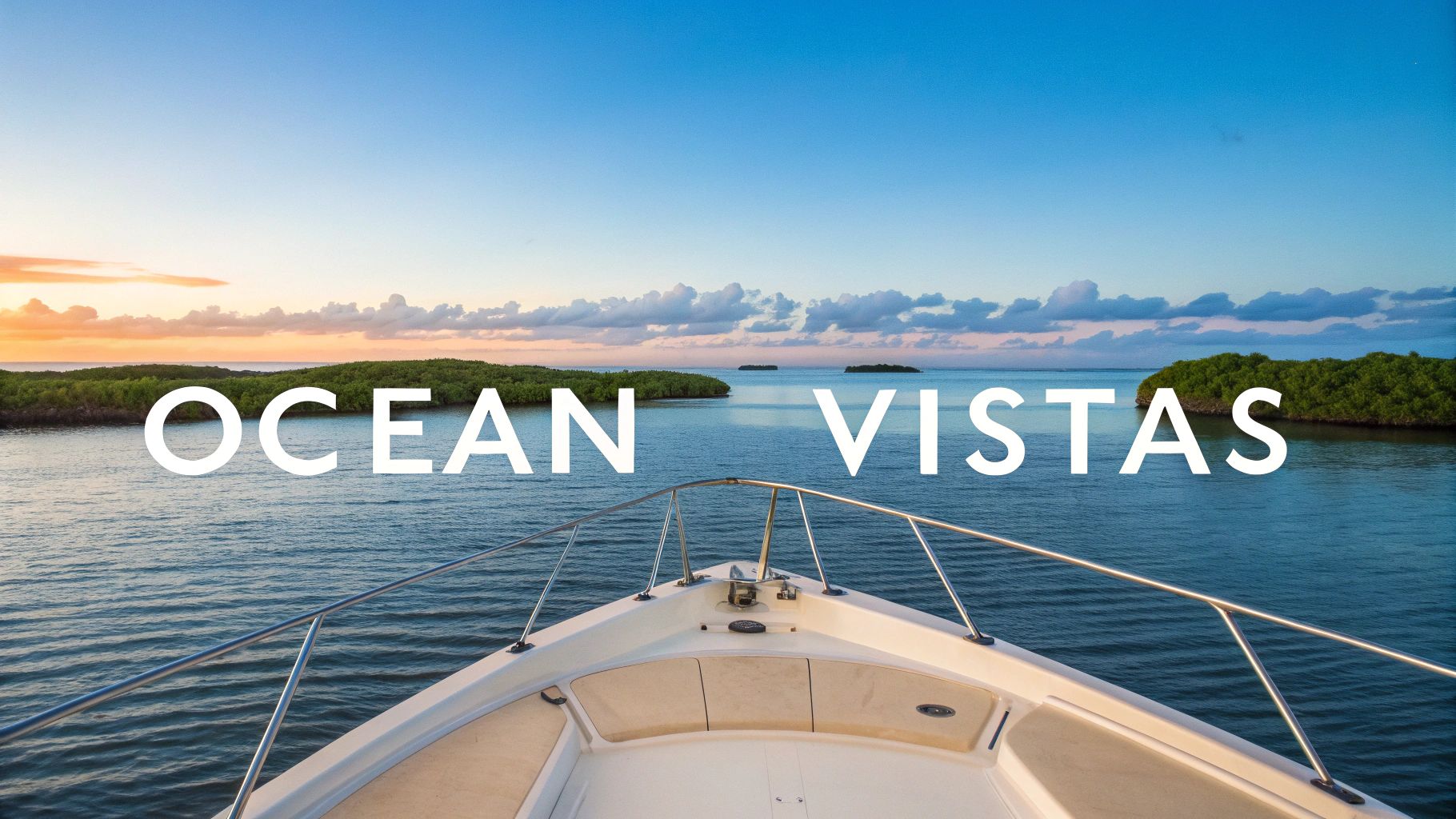
Choosing the right deep sea fishing charter in the Florida Keys is a crucial step in planning a memorable trip. It's not solely about the fish you catch, but the overall experience. This guide will help you navigate the options and find the perfect charter that matches your expectations.
Charter Types: From Party Boats to Private Luxury
The Florida Keys boast a diverse range of fishing charters, each with its own set of pros and cons. Understanding these differences is key to selecting the ideal charter for your needs.
-
Shared Party Boats: These larger vessels accommodate a significant number of anglers, making them a budget-friendly option for deep sea fishing. This shared experience means less individual attention from the crew and less flexibility in choosing fishing spots. Think of it as a bus ride – it gets you there, but the route is predetermined.
-
Dedicated Sportfishing Vessels: Catering to smaller groups, these mid-sized charters offer a more personalized and targeted fishing experience. The crew can tailor the trip to your preferences, giving you more control over targeted species and fishing techniques. This option is akin to taking a taxi – more expensive than a bus, but with a customized route.
-
Luxury Private Charters: For the ultimate in personalized service and comfort, consider a luxury private charter. You'll have the undivided attention of the boat and crew, increasing your chances of landing a trophy fish. Think of this as the limousine of deep sea fishing – top-tier comfort and flexibility at a premium price.
Your choice ultimately depends on your budget, the size of your group, and your desired level of customization.
Key Questions to Ask Your Potential Charter
Asking the right questions upfront can reveal a charter's true strengths and help avoid any unwanted surprises.
-
What are the crew's specializations? Some crews excel at trolling for pelagic fish like marlin and tuna, while others might specialize in bottom fishing for snapper and grouper, or deep dropping for swordfish.
-
How deep is their local knowledge? Captains with extensive experience and intimate knowledge of local waters and fish behavior have a significant advantage.
-
What's their commitment to customer success? A crew genuinely invested in providing an exceptional experience will make all the difference.
Costs, Booking, and Communication
Understanding realistic costs is essential for planning your trip. Prices can vary widely depending on the charter type, duration, and included services. Booking in advance, particularly during peak season, is highly recommended. Clear communication with the captain about your expectations, such as targeting specific species or simply enjoying a relaxing day on the water, will ensure the experience aligns with your vision. The history of fishing guides in the Florida Keys is rich and worth exploring to understand the evolution of this profession.
Making the Most of Your Experience
Finally, proper preparation is key to maximizing your deep sea fishing adventure. Pack appropriate clothing, sunscreen, and any necessary medications. Staying hydrated is crucial, and don't forget your camera to capture those memorable catches! Following these tips will ensure a successful and enjoyable deep sea fishing experience in the breathtaking Florida Keys. Looking for a different kind of water adventure? Check out the Marathon Snorkeling and Sunset Cruise.
Advanced Tactics for Florida Keys Trophy Hunters
Landing a trophy fish in the Florida Keys isn't about luck. It's about skill, knowledge, and adapting to the deep sea's ever-shifting nature. Serious anglers know this means mastering the finer points of tackle, rigging, and presentation.
Tackle and Rigging: The Foundation of Success
The difference between landing a trophy fish and a near miss often comes down to the right tackle and rigging. Leader construction, for instance, is crucial. A poorly constructed leader will snap under pressure, but the right materials and knots can dramatically boost your hook-up ratios. More fish on the boat, fewer lost at the last minute.
Your fishing line choice is also important. Sometimes, light tackle offers a thrilling fight. But for larger species, heavy artillery is key to reeling in these powerful creatures. Knowing which to use, and when, sets skilled anglers apart.
Presentation Techniques: Triggering Aggressive Strikes
Presentation is everything when it comes to enticing a trophy fish. The right lure actions can trigger aggressive strikes. Varying your retrieval speed or using a jigging motion can mimic injured prey, making your bait irresistible. Want to improve your technique? Check out this resource: How to master different fishing knots.
Trolling patterns also play a vital role in deep sea fishing. Experienced captains know the best trolling paths to intersect with migration routes, increasing your odds of a trophy encounter.
Adapting to Changing Conditions: The Mark of a Master
The deep sea environment around the Florida Keys is constantly changing. Wind, currents, and water temperature can shift unexpectedly. The true mark of a skilled angler is the ability to adapt. Knowing when kite fishing will outperform deep dropping, and adjusting your strategy accordingly, is essential for trophy hunters.
Fighting Techniques: Bringing in the Big One
Hooking a trophy fish is only half the battle. Proper fighting techniques are vital for landing it. This means maintaining the right rod angles, adjusting your drag pressure, and even using the boat's movement to your advantage. Tiring out a powerful fish without breaking the line is a skill in itself.
By mastering these advanced tactics and adapting to the conditions, you can transform your Florida Keys fishing experience. Trophy hunting demands patience, knowledge, and a commitment to refining your techniques.
Preserving the Future of Florida Keys Deep Sea Fishing
The thrill of deep sea fishing in the Florida Keys is undeniable. However, with this thrill comes a responsibility to protect the vibrant ecosystem that supports it. Understanding our impact on fish populations is crucial for the future of this incredible fishery. This goes beyond simply adhering to regulations; it's about adopting practices that will ensure healthy fish populations for generations to come.
Responsible Catch and Release: Ensuring Survival
Catch and release is a widely practiced technique, but it's not always executed properly. Although intended to protect fish, incorrect catch and release methods can unintentionally lead to mortality. One key improvement is using circle hooks instead of J-hooks. Circle hooks significantly reduce the chance of hooking a fish deep in the gut, greatly improving its chances of survival after release. Minimizing the time a fish spends out of the water also reduces stress and aids recovery. These seemingly small adjustments can significantly impact the long-term health of fish populations.
The Power of Participatory Science
Anglers can actively participate in conservation efforts through participatory science programs. These programs empower recreational fishers to gather valuable data while they enjoy their time on the water. The data collected helps researchers better understand fish populations, migratory patterns, and the overall health of the ecosystem. It's a rewarding way to contribute to conservation while doing what you love.
Technology and Innovation in Conservation
Technology is revolutionizing marine conservation. Acoustic tagging projects, for example, track fish movements, providing crucial insights into their behavior and habitat use. The Bonefish & Tarpon Trust (BTT) is a leader in this field. Their Florida Keys Initiative uses acoustic tagging to monitor tarpon migrations, informing catch-and-release policies and regulatory changes. One such change is extending closed harvest seasons for permit to protect their spawning sites. These technological advancements are making conservation efforts more impactful.
Habitat Restoration: Rebuilding Critical Ecosystems
Habitat loss poses a serious threat to fish populations. Restoration initiatives focus on rebuilding essential habitats like coral reefs and seagrass beds. These restored areas not only provide shelter and food sources for fish but also improve water quality and contribute to overall ecosystem health.
You might be interested in: Understanding Website Structure
Balancing Act: Recreational, Commercial, and Environmental Factors
Managing the Florida Keys fishery is a complex juggling act, requiring careful consideration of recreational fishing pressure, commercial fishing interests, and environmental factors. Understanding the interplay of these elements is crucial for establishing sustainable fishing practices that benefit all stakeholders.
Practical Tips for Minimizing Your Impact
Every angler can contribute to a healthier ocean. Here are a few simple yet effective tips for minimizing your environmental impact:
- Properly dispose of fishing line: Discarded fishing line is a major hazard for marine life, causing entanglement, injury, and even death. Always dispose of used fishing line in designated receptacles.
- Reduce plastic waste: Minimize your reliance on single-use plastics like water bottles and bait containers. Choose reusable alternatives whenever possible.
- Respect marine life: Avoid disturbing marine habitats like coral reefs and seagrass beds. Be conscious of your actions and their impact on the underwater environment.
- Choose sustainable seafood: When dining out, select sustainably sourced seafood to support responsible fishing practices.
By embracing these practices, anglers can play a vital role in ensuring the long-term health and sustainability of the Florida Keys ecosystem. Deep sea fishing becomes more than just catching fish; it's about becoming a steward of the ocean and protecting this precious resource for generations to come.
Ready for a different kind of ocean adventure? Explore the beauty of the Florida Keys reefs with the Marathon Snorkeling and Sunset Cruise. Create unforgettable memories with your loved ones while discovering the vibrant underwater world.