
Pigeon Key Tour: Explore Florida’s Hidden Island

The Untold Story Behind Your Pigeon Key Tour
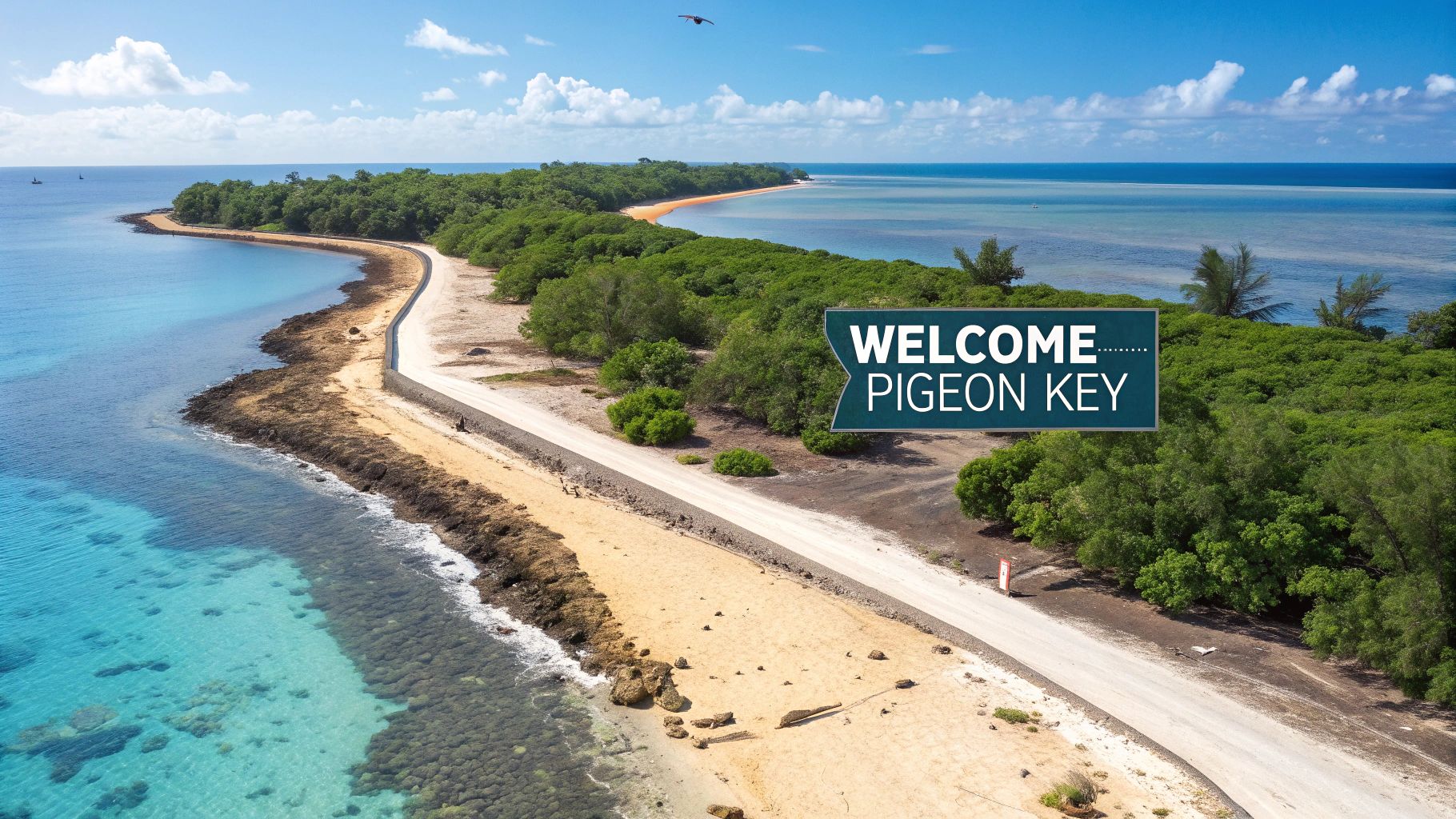
Pigeon Key, a small five-acre island nestled in the Florida Keys, boasts a rich history. This seemingly unassuming island played a vital role in the construction of Henry Flagler's Florida East Coast Railway's Key West Extension, a project often called the "Eighth Wonder of the World." Let's explore the fascinating history of Pigeon Key, from its days as a bustling workers' camp to its present status as a treasured National Historic Landmark.
The Birth of a Wonder
Between 1908 and 1912, Pigeon Key served as the main work camp for the Overseas Railroad project. This ambitious endeavor aimed to connect the mainland to Key West by rail, a feat many considered impossible at the time. The island housed up to 400 workers, a significant number given its small size. These workers, representing a diverse range of backgrounds, labored tirelessly to construct the remarkable Seven Mile Bridge.
Their hard work formed the basis of what would become a vital transportation route and a lasting monument to human ingenuity. This period of intense activity significantly shaped the island's character. Pigeon Key became a microcosm of early 20th-century American life, a blend of cultures and skills all working towards a shared objective.
From Railway Hub to Historic Gem
After the railway's completion in 1912, Pigeon Key continued to play an important role. It transitioned from a busy work camp into a maintenance hub for the railway. This ensured the island remained a center of activity, albeit on a smaller scale than during the construction phase. This ongoing use helped preserve many of the original structures, offering us a tangible connection to the past.
Pigeon Key offers daily tours that provide visitors with a captivating glimpse into the past. These tours explore the island's part in the building of the Florida East Coast Railway’s Key West Extension. The experience often begins with a short train ride to the island, immersing visitors in the era of Henry Flagler and the railway's development between 1908 and 1912. Tours typically last about an hour, allowing ample time for self-guided exploration. The island boasts historic buildings now repurposed for educational exhibits. The recent reopening of the Old Seven Mile Bridge has made Pigeon Key even more accessible and a highly sought-after destination. Learn more about Pigeon Key's history and tours: Pigeon Key History and Tours
Preserving the Past for Future Generations
Today, Pigeon Key stands as a National Historic Landmark, a designation it received in 1990. This recognition underscores the island's importance in the development of the Florida Keys and its broader significance in American history. Ongoing preservation efforts ensure future generations can appreciate the unique ambiance of this historic site.
The restoration work goes beyond simply maintaining the physical structures. It focuses on preserving the site's historical authenticity. Original building materials and techniques are prioritized to maintain the integrity of the historic buildings. This meticulous approach allows visitors to connect with the past in a meaningful way. A visit to Pigeon Key transcends a typical sightseeing trip. The island's story—a captivating blend of human ambition, engineering marvel, and historical preservation—continues to unfold with each visitor who sets foot ashore.
Insider's Guide: Maximizing Your Pigeon Key Tour Experience
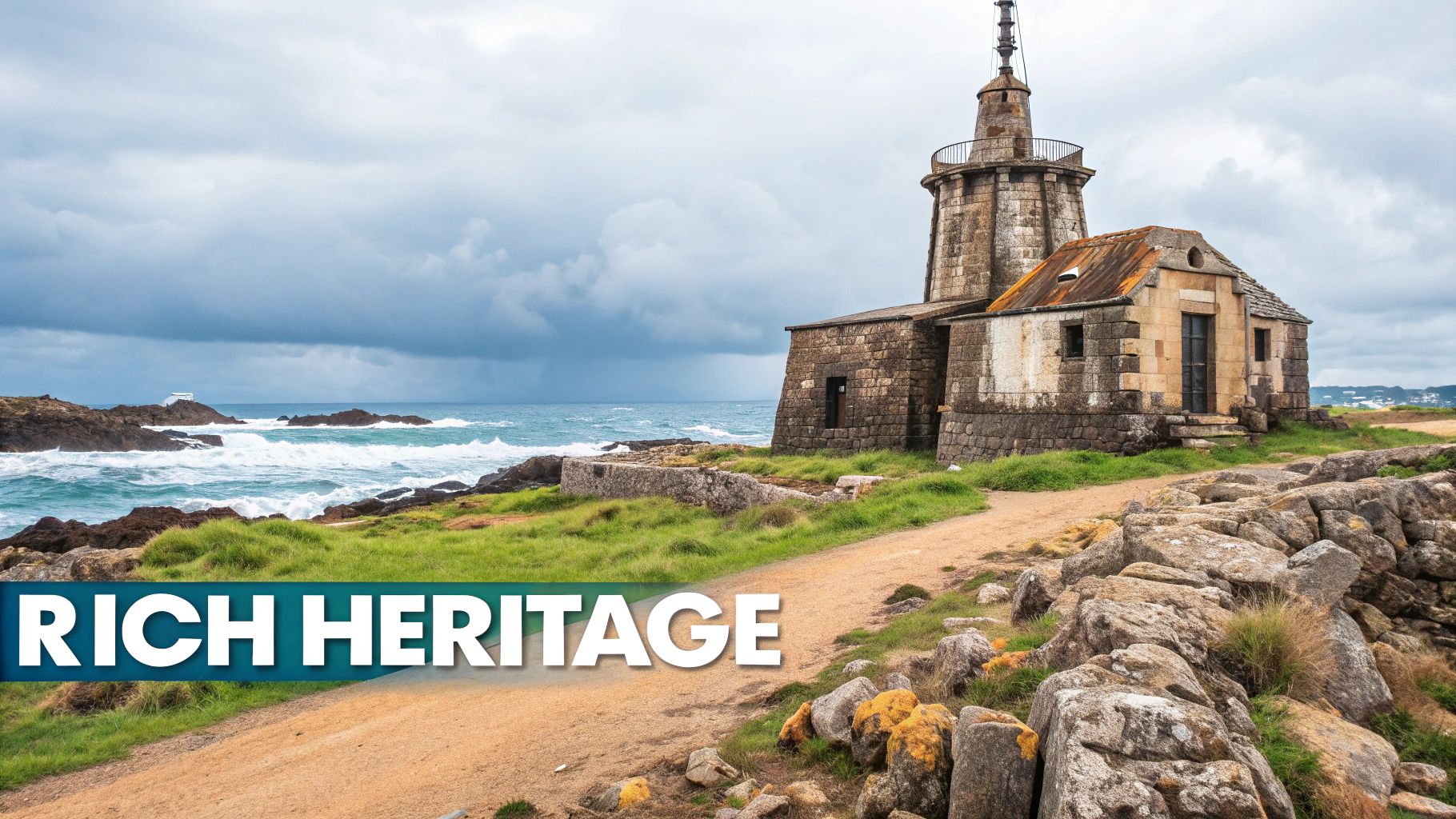
A Pigeon Key tour offers more than just a glimpse into the past. It's a chance to step back in time and truly immerse yourself in history. This guide will help you get the most out of your visit, from planning to post-tour relaxation.
Timing is Everything: Avoiding Crowds and Embracing the Golden Hour
Want the best experience? Think about when you visit. Arriving early, especially during the quieter months, often means smaller crowds. This gives you a more personalized experience with the guides and more freedom to explore at your own pace. Plus, the morning light is perfect for taking pictures. For breathtaking sunset photos, plan a late afternoon arrival.
Beyond the Guided Tour: Exploring on Your Own
Guided tours provide valuable historical background, but don't miss out on exploring independently. Leave time after the tour to wander. Discover hidden spots like the tranquil northern cove, a perfect spot for a quick swim. Tip: Wear sturdy sandals – the coral can be sharp. Take time to revisit exhibits that caught your interest for a deeper dive.
Capturing the Moment: Photography Tips
You don't need fancy equipment for amazing photos. Pigeon Key's natural beauty offers a stunning canvas. A few tips can elevate your pictures. Early morning and late afternoon offer the best light. Play with different angles to capture the historic buildings' charm. Focus on details: the weathered wood, the colorful plants, or the clear turquoise water.
Enhancing Your Experience: Snorkeling and More
Pigeon Key is a historical site and a natural wonder. Consider adding a snorkeling trip to explore the vibrant reefs. See the island from a new perspective and experience its underwater life. The saltwater pool provides a unique opportunity to see local marine species up close. Combine history and nature for a truly memorable adventure.
Planning Your Trip: Transportation and Logistics
Getting to Pigeon Key is part of the adventure! The restored Old Seven Mile Bridge is a scenic route for walkers and cyclists. The tram offers a convenient way to reach the island from the parking area. Factor in how long you want to explore when deciding on your transportation.
To help you choose the right tour for your needs, we've put together a comparison table:
Pigeon Key Tour Options Comparison: A detailed comparison of the different tour options available for visitors to Pigeon Key, including pricing, duration, and what's included in each package.
| Tour Type | Duration | Price | Includes | Best For |
|---|---|---|---|---|
| Walking Tour | 1.5 hours | $25 | Guided tour of historic buildings and grounds | History buffs, budget travelers |
| Snorkeling Tour | 2 hours | $40 | Snorkeling gear, guided reef tour | Water enthusiasts, families |
| Combo Tour | 3.5 hours | $60 | Walking tour, snorkeling tour, lunch | Those who want to experience it all |
| Bike Tour | 2-3 hours | $30 | Bike rental, map of the island | Independent explorers, active travelers |
The table above summarizes the key features of each tour option, making it easy to compare and choose the perfect fit for your Pigeon Key adventure. Whether you're interested in history, nature, or a little bit of both, Pigeon Key offers an unforgettable experience.
Beyond History: Marine Adventures On Your Pigeon Key Tour
While Pigeon Key's role in the Overseas Railroad's construction is captivating, a Pigeon Key tour offers more than just a glimpse into the past. This tiny island has become a vital center for marine science education and conservation, making it a living laboratory for understanding the delicate ecosystem of the Florida Keys.
From Industrial Outpost to Environmental Education Center
The transformation of Pigeon Key from a bustling industrial center to a haven for environmental education is truly remarkable. The island's unique location, surrounded by vibrant coral reefs and diverse marine life, creates the perfect setting for immersive ecological experiences. Guided snorkeling tours allow visitors to explore these underwater wonders firsthand, fostering a deeper appreciation for the beauty and fragility of the marine environment. Interested in learning more about snorkeling? Check out these resources: Learning about how to master…
Up Close Encounters: The Saltwater Pool Experience
For those who prefer a closer look at marine life without venturing into the open ocean, the saltwater pool at Pigeon Key offers an unforgettable experience. Visitors can observe a variety of native species up close, including sharks and groupers. This intimate encounter creates a connection with the marine world, inspiring lasting conservation advocacy. Pigeon Key's significance extends beyond its historical importance. It hosts educational programs focused on marine science, including activities like snorkeling and fishing. The saltwater pool provides another opportunity to interact with marine creatures. These activities, along with the island's preserved buildings, make Pigeon Key a valuable resource for environmental education and historical preservation. Learn more about Pigeon Key's programs here.
Seasonal Wonders: A Changing Marine Landscape
The marine environment around Pigeon Key is dynamic, constantly shifting with the seasons. From seasonal fish migrations to special educational programs, there's always something new to discover. Enhance your Pigeon Key tour experience by exploring similar marine adventures, such as a Hawaii manta ray snorkel tour. Whether you visit during the vibrant spring or the tranquil fall, you'll witness a unique perspective of the Keys' extraordinary biodiversity. These experiences highlight the importance of protecting this ecosystem.
Inspiring the Next Generation of Ocean Stewards
Pigeon Key's dedication to marine science education goes beyond showcasing the underwater world. The island's programs actively involve visitors in conservation efforts. This hands-on approach empowers individuals to become stewards of the ocean, creating a sense of responsibility for protecting this precious resource. The knowledge and inspiration gained through a Pigeon Key tour leave a lasting impact on visitors' appreciation and understanding of marine ecosystems.
From Silver Screen to Reality: Pigeon Key's Media Legacy
Pigeon Key boasts more than just historical importance and vibrant marine life. This small island also holds a surprising legacy in the world of film and television, adding another layer to its unique appeal. This media presence has captured audiences globally and significantly contributed to the island's preservation and thriving tourism industry.
Pigeon Key: A Star is Born
Pigeon Key has served as a compelling backdrop for a variety of productions. The island was featured in the 1978 television film Hunters of the Reef. It also appeared in episodes of the popular 1995 Flipper series.
More recently, Pigeon Key was the dramatic finish line for The Amazing Race 18: Unfinished Business in 2011. These appearances have boosted Pigeon Key's global recognition, attracting both tourists and history buffs. Easy access via the Old 7 Mile Bridge makes a visit even more appealing. Learn more: Pigeon Key's Media Appearances
Lights, Camera, Pigeon Key!
The island's picturesque setting, historic buildings, and surrounding turquoise waters create an irresistible draw for filmmakers and television producers. The remote location offers a unique, visually rich backdrop that enhances any production. This inherent beauty attracts production teams, transforming this historic landmark into an unexpected filming hotspot. Check out: Snorkeling and Sunset Tours
Behind the Scenes: Filming in Paradise
Filming in this distinctive location presents unique challenges. Transporting equipment and crew to a relatively isolated island requires significant logistical planning. However, the rewards of capturing the island's striking scenery often outweigh these challenges. The stories from behind the scenes reveal the hard work and ingenuity necessary to make these projects a reality.
The Impact of Media Exposure
Media exposure has undeniably boosted Pigeon Key's popularity as a tourist destination. The island's appearances on screen have sparked curiosity, encouraging visitors to include Pigeon Key in their Florida Keys itinerary. The resulting increase in tourism not only generates revenue but also directly supports critical preservation efforts.
Preserving the Past, Embracing the Future
Revenue from tourism plays a vital role in preserving Pigeon Key's historic buildings and supporting its environmental education programs. Each visitor contributes to maintaining this unique historical and ecological treasure. The island's media legacy continues to grow, highlighting its significance and sharing its captivating story with the world.
Planning The Perfect Pigeon Key Tour Adventure
Planning a Pigeon Key tour isn't just about buying tickets; it's about creating a truly memorable Florida Keys experience. This guide, combining tips from frequent visitors and local insights, helps you manage the details and uncover hidden gems to make the most of your adventure.
Timing Your Pigeon Key Tour: Weather, Crowds, and Special Events
Picking the right time for your Pigeon Key tour can greatly affect your experience. For the best weather and fewer people, think about visiting during the shoulder seasons (spring and fall). These times offer a pleasant mix of sunshine and comfortable temperatures, letting you fully appreciate the outdoor parts of the tour. You might be interested in: How to master…
Also, check the Pigeon Key website for special events. The island hosts unique programs and activities all year long that can enrich your visit, like seasonal marine life presentations or historical reenactments. Planning your trip around these events can make it even more immersive and educational.
Transportation Secrets: The Old 7 Mile Bridge and Beyond
Getting to Pigeon Key is an adventure itself. The newly reopened Old 7 Mile Bridge offers a scenic route for walkers and cyclists, with stunning views of the surrounding waters. For a more relaxed trip, the Pigeon Key tram provides easy transportation from the parking area. Consider how you want to travel and how much time you want to spend exploring when making your plans.
To help you plan your trip, here's a table summarizing key visitor information:
Pigeon Key Visitor Information: Essential information for planning your visit to Pigeon Key, including opening hours, prices, transportation options, and what to bring.
| Information Category | Details | Notes |
|---|---|---|
| Opening Hours | 9:00 AM – 5:00 PM Daily | Last tram departs at 4:30 PM |
| Admission Prices | Adults: $14, Children (4-12): $10, Under 4: Free | Prices may be subject to change; check the official website for updates. |
| Transportation | Tram, Walking, Cycling | The Old Seven Mile Bridge offers scenic walking and cycling paths. |
| What to Bring | Comfortable shoes, sunscreen, hat, sunglasses, swimsuit (optional), water bottle, camera | Snorkeling gear can be rented on the island. |
| Accessibility | Main areas are accessible; contact for specific needs. | Limited accessibility in some historic buildings due to age and design. |
This table provides a quick overview of the essential details for planning your Pigeon Key visit. Remember to check the official website for the most up-to-date information.
Incorporating Your Visit Into a Broader Keys Itinerary
Pigeon Key is perfectly located for exploring other attractions in the Middle Keys. Think about combining your tour with a visit to the nearby Marathon Turtle Hospital or explore the natural beauty of the Sombrero Reef. A multi-day itinerary lets you experience the diverse offerings of the Keys efficiently.
Accommodation Options and Dining Tips
From cozy guesthouses to upscale resorts, the Middle Keys have accommodations for every budget. For an immersive experience, consider staying in Marathon, which offers easy access to Pigeon Key and other nearby sites. Booking your accommodations in advance, especially during busy times, helps ensure a smooth trip.
Pack appropriately for your Pigeon Key tour. Comfortable shoes are essential for all the walking. Sunscreen, a hat, and sunglasses are vital for protection from the Florida sun. Bring your swimsuit if you plan on snorkeling.
The area around Pigeon Key has various dining options, from casual seafood places to fancier restaurants. Try some local favorites like freshly caught fish or Key lime pie. Planning your meals ahead can add to your overall enjoyment.
Accessibility Information
Pigeon Key works to provide access for everyone. While some of the older buildings have limited accessibility because of their age and design, the main areas and facilities are generally accessible for visitors with mobility concerns. Contact the Pigeon Key Foundation beforehand for details about specific accessibility needs.
Preserving Paradise: How Your Pigeon Key Tour Makes a Difference
Visiting Pigeon Key is more than just a fun day trip. It's a direct contribution to preserving a unique slice of history and a vital marine ecosystem. Your Pigeon Key tour helps support critical ongoing restoration and conservation efforts.
Restoration Challenges: Battling Time and Tide
The century-old structures on Pigeon Key face constant challenges from the harsh saltwater environment. Salt air, strong winds, and occasional storms all take a toll on these historic buildings. Preservation experts work tirelessly to combat these forces, using specialized techniques to stabilize the structures and protect them for future generations. This ensures that the island's rich history remains tangible and accessible to visitors.
Funding the Future: How Your Visit Helps
The funds generated from Pigeon Key tours directly support these essential preservation projects. This includes crucial work like building stabilization, artifact conservation, and marine habitat protection initiatives. For example, the restoration of the historic dormitories, now used as educational centers, requires ongoing maintenance and specialized care. By participating in a Pigeon Key tour, you become an active participant in preserving this irreplaceable historical treasure.
Creative Partnerships: Extending the Impact
Beyond ticket sales, Pigeon Key benefits from creative fundraising partnerships that extend its reach and impact. One such partnership is the collaboration with No Shoes Reef. In 2022, this partnership resulted in a $15,000 donation to Pigeon Key, along with a program where a portion of the proceeds from sandal sales benefits the island. This financial support is essential for funding educational programs and maintaining the island's infrastructure, demonstrating the economic and educational impact of such collaborations. You can discover more insights about Pigeon Key's partnerships. For additional reading, explore Pigeon Key and Beyond.

Beyond the Tour: Opportunities for Deeper Involvement
Pigeon Key offers various ways for visitors to become more deeply involved in its mission. For those particularly moved by the island's story, special donor opportunities are available to provide additional support for ongoing projects. There are also volunteer possibilities for those who want to contribute through hands-on involvement. Whether through donations or volunteer work, these opportunities allow visitors to make a tangible difference in preserving Pigeon Key's future.
Educating the Next Generation: Inspiring Environmental Stewards
The educational programs funded by Pigeon Key tours play a crucial role in creating the next generation of environmental stewards and preservation advocates. These programs provide enriching experiences for students of all ages, fostering a deeper understanding of marine ecosystems and the importance of historical preservation. By investing in these educational initiatives, Pigeon Key ensures that the island's legacy of learning and conservation continues. This investment creates a ripple effect, inspiring young people to become active participants in protecting our shared natural and historical heritage.
Ready to experience the magic of Pigeon Key and contribute to its preservation? Book your Marathon Snorkeling and Sunset Cruise today and embark on an unforgettable adventure that combines historical exploration with environmental stewardship.