
Top Snorkeling Safety Tips for Your Next Dive
Dive in: Snorkeling Safety First!
Snorkeling offers a fantastic glimpse into underwater ecosystems, but safety is paramount. This listicle provides essential safety tips for a memorable and incident-free snorkeling experience. From selecting proper gear to understanding marine life and having an emergency plan, these guidelines will help you prepare. Whether you're exploring the Florida Keys or snorkeling elsewhere, these tips will contribute to a safe and enjoyable adventure. Following these guidelines, especially for families, couples, and tourists in Marathon, FL, will enhance your snorkeling experience.
1. Choose the Right Snorkeling Equipment
Selecting the right snorkeling equipment is the cornerstone of a safe and enjoyable experience, especially for families, couples, and tourists exploring the beautiful waters of the Florida Keys and Marathon. Properly fitted gear not only enhances comfort but also plays a crucial role in preventing potential hazards and ensuring a memorable underwater adventure. Ill-fitting equipment can lead to discomfort, water leakage, difficulty breathing, and even panic situations, especially for beginners. By taking the time to select appropriate gear, you're setting the stage for a relaxed and rewarding snorkeling trip.
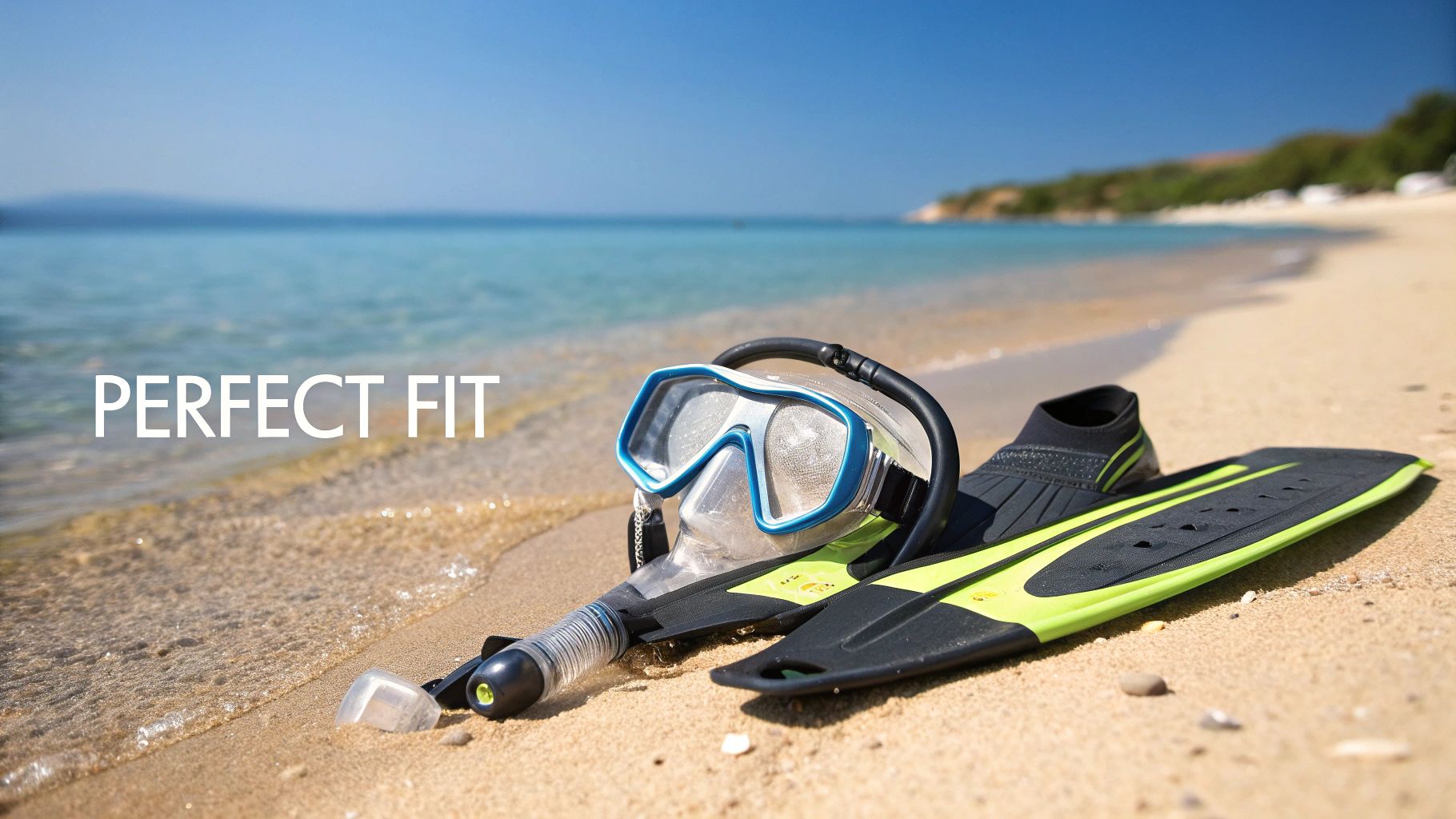
This involves choosing a mask, snorkel, and fins that fit correctly and function optimally. A well-fitting mask creates a watertight seal around your eyes and nose without feeling too tight, ensuring clear vision and preventing water seepage. The snorkel should have a purge valve for easy clearing of any water that enters and a splash guard to minimize water entry from surface waves. Fins, properly sized, increase your swimming efficiency, allowing you to cover more ground with less effort and reducing fatigue. Finally, consider rash guards or wetsuits for sun and temperature protection, especially in cooler waters.
Reputable dive shops, such as those PADI-certified, offer professional fitting services to ensure you find the perfect gear. Many snorkel tour operators in the Florida Keys, like Trilogy Excursions, also provide quality equipment and fitting assistance. Learn more about Choose the Right Snorkeling Equipment to further research equipment options. These services can be invaluable, especially for newcomers to snorkeling. For instance, a PADI-certified shop can guide you through the various mask styles and help you find one that conforms perfectly to your face shape. Similarly, they can advise on the right fin size and type based on your snorkeling experience and swimming ability. Successful implementation of this tip means a comfortable and safe snorkeling experience where you can focus on enjoying the underwater world, not struggling with your equipment.
Actionable Tips for Choosing the Right Gear:
- Mask Fit Test: Place the mask on your face without the strap and inhale gently through your nose. If the mask seals and stays in place, it's a good fit.
- Snorkel Selection: Opt for a snorkel with an easy-to-use purge valve at the bottom for clearing water and a comfortable mouthpiece. Consider a dry snorkel with a splash guard for extra protection against wave splash, particularly if you're snorkeling in choppy conditions.
- Fin Fitting: Try on fins with the neoprene socks or booties you plan to wear while snorkeling. The fins should fit snugly but not too tight.
- Full-Face Masks: For beginners, full-face snorkel masks can be a good option as they allow for breathing through both nose and mouth. However, ensure you purchase one from a reputable brand and thoroughly understand its use and limitations before entering the water.
Pros of Choosing the Right Equipment:
- Reduces risk of equipment failure or discomfort. Properly fitting gear minimizes leaks, fogging, and chafing, allowing you to focus on the underwater scenery.
- Prevents panic situations. A comfortable and reliable mask and snorkel can prevent anxiety and panic, especially for first-time snorkelers.
- Quality gear lasts longer and performs better. Investing in quality equipment ensures durability and optimal performance over time.
Cons of Choosing the Right Equipment:
- Quality equipment can be expensive. Investing in high-quality gear can be an upfront cost. However, consider it an investment in your safety and enjoyment.
- Rental equipment may not fit as well as personal gear. While renting is a convenient option, the fit may not be ideal, potentially impacting comfort and performance.
By prioritizing the selection of appropriate snorkeling equipment, you are taking a proactive step towards ensuring a safe, comfortable, and ultimately more enjoyable snorkeling experience in the Florida Keys. This is especially crucial for families and tourists who may be new to snorkeling or unfamiliar with the local conditions. The investment in properly fitted gear is an investment in a memorable and worry-free underwater adventure.
2. Never Snorkel Alone
Snorkeling is a fantastic way to explore the underwater world, but safety should always be the top priority. A fundamental safety practice, crucial for everyone from families and couples to tourists exploring the Florida Keys and Marathon, FL, is to never snorkel alone. The buddy system, as it's commonly known, involves snorkeling with a partner and maintaining constant visual or physical contact. This system ensures someone is always available to assist in case of unexpected events, ranging from minor issues like equipment malfunction to more serious situations such as medical emergencies or encountering hazardous marine life. This principle applies to all water activities, not just snorkeling, and is a cornerstone of safe enjoyment in the ocean.
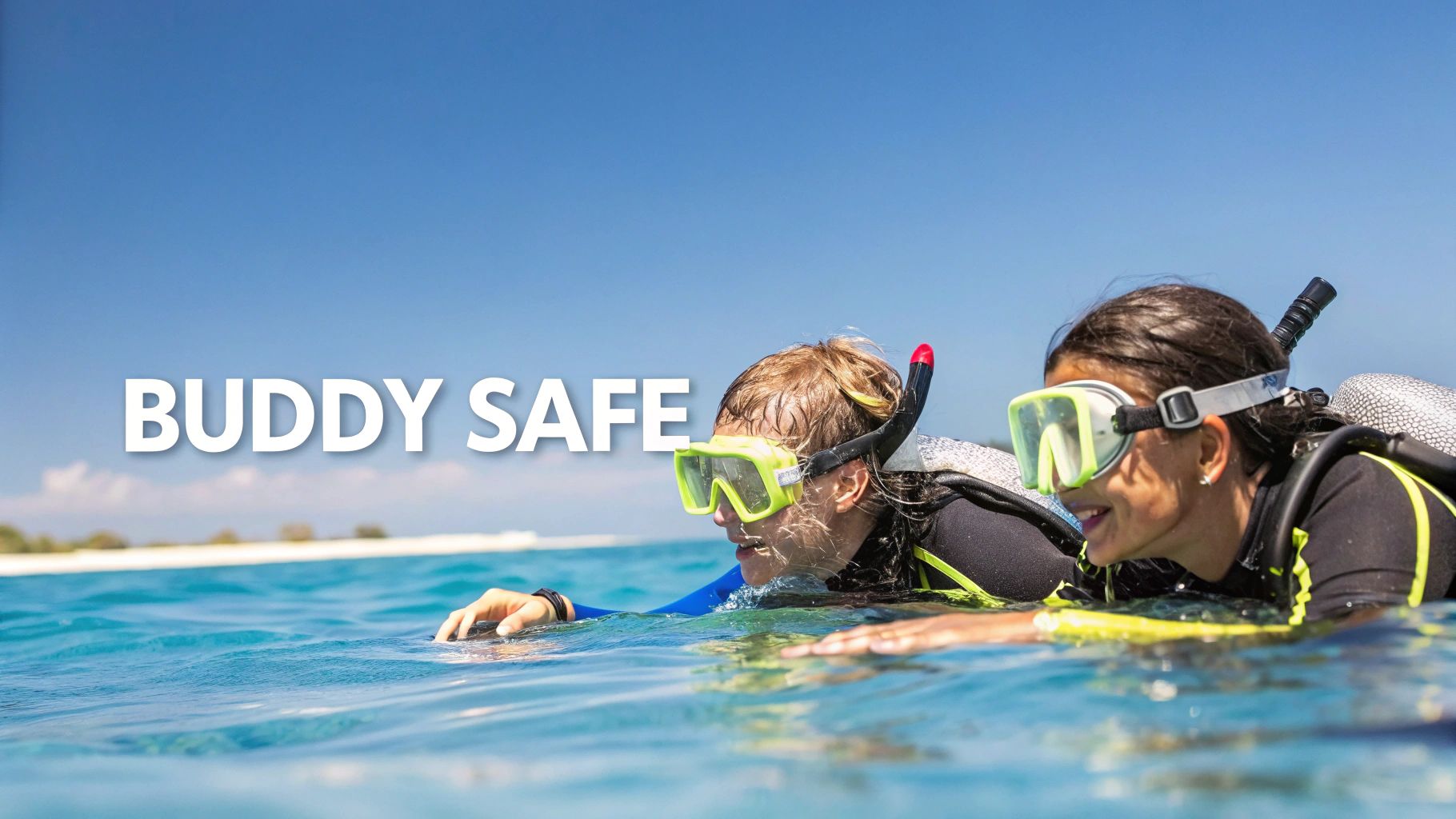
The buddy system involves several key features: maintaining constant visual or physical contact, establishing pre-determined communication signals before entering the water, and sharing the responsibility for each other’s safety. These features contribute to a safer and more enjoyable snorkeling experience. Learn more about Never Snorkel Alone It’s beneficial to plan your snorkeling route together beforehand, considering everyone's skill level and interests.
The advantages of the buddy system are numerous. It provides immediate assistance in emergencies, reducing response time for potential rescues. Sharing the experience also enhances enjoyment, allowing for joint observation and pointing out interesting marine life. Examples of its effectiveness are well-documented. Hawaii's snorkeling fatality statistics reveal a significantly higher number of drownings among solo snorkelers. Similarly, the Australian Resuscitation Council reports that the buddy system has prevented countless fatalities in various water activities.
While the buddy system is highly recommended, it’s important to acknowledge a few potential drawbacks. Coordinating with a partner requires aligning skill levels and interests. For instance, a stronger swimmer may need to adjust their pace to accommodate a less experienced buddy. Additionally, the buddy system might slightly limit individual exploration as you'll need to stay within a reasonable distance of your partner.
Actionable Tips for Implementing the Buddy System:
- Establish hand signals: Before entering the water, agree on clear hand signals for common situations like "okay," "I need help," "surface," and "look at that."
- Stay close: Maintain a distance of no more than 10 feet from your buddy. In areas with limited visibility or stronger currents, stay even closer.
- Regular check-ins: Check on each other regularly, ideally every few minutes, to ensure everyone is comfortable and safe.
- Choose a compatible buddy: Select a buddy with similar swimming abilities and snorkeling experience.
- Plan your route: Discuss and agree on the snorkeling route before entering the water. This ensures everyone is aware of the intended area and potential hazards.
Organizations like NOAA (National Oceanic and Atmospheric Administration), the Divers Alert Network (DAN), and Coast Guard water safety programs all actively promote the buddy system, highlighting its vital role in snorkeling safety. This practice deserves its prominent place on the list of snorkeling safety tips because it significantly mitigates risk and promotes a more enjoyable and secure experience for everyone, particularly for families, couples, and tourists enjoying the beautiful waters of the Florida Keys and Marathon, FL.
3. Check Weather and Water Conditions
Before you even think about grabbing your snorkel and fins, assessing the weather and water conditions is paramount for a safe and enjoyable snorkeling experience. Ocean and weather conditions can change rapidly, impacting safety significantly. Strong currents, high surf, poor visibility, and storms can quickly create dangerous situations, even for experienced snorkelers. Taking the time to check these factors before entering the water is a fundamental preventative safety measure.
This crucial step involves checking various factors, including wind speed and direction, tide charts and current information, surf reports, and water clarity. Understanding these elements helps you avoid potentially hazardous situations and ensures a more pleasant snorkeling adventure. For instance, strong winds can create choppy water and reduced visibility, while strong currents can quickly sweep snorkelers away from their intended area. Similarly, high surf can make entering and exiting the water dangerous. Checking these conditions beforehand allows you to choose a calmer, safer location or postpone your snorkeling trip if necessary. You can Learn more about Check Weather and Water Conditions and other related safety measures on dedicated resources.
Successful implementation of weather and water condition monitoring has demonstrably improved snorkeling safety in various locations. For example, Kaanapali Beach in Maui saw a reduction in snorkeling incidents after implementing a flag warning system to alert visitors to hazardous conditions. Similarly, programs like Australia's Reef Check provide real-time condition updates, empowering snorkelers to make informed decisions.
Tips for Checking Conditions:
- Check local marine forecasts before heading out: NOAA Weather Service and other marine weather apps like Windy offer detailed information on wind, waves, and tides.
- Look for warning flags on beaches: Many beaches use a flag system to indicate water conditions. Familiarize yourself with the local flag meanings.
- Ask local lifeguards or tour operators about conditions: They possess invaluable local knowledge and can provide up-to-date information on currents, visibility, and potential hazards.
- Observe the water for at least 5 minutes before entering: Watch for changes in wave patterns, currents, and visibility. This direct observation can give you a better understanding of the actual conditions.
- Plan snorkeling for morning hours: Winds are typically calmer in the mornings, leading to better visibility and calmer water. This is especially beneficial in locations like the Florida Keys and Marathon, FL, where afternoon thunderstorms are common.
Pros of Checking Conditions:
- Prevents exposure to dangerous conditions: This is the most important benefit, protecting you from strong currents, high surf, and poor visibility.
- Enhances visibility and marine life viewing: Calm water and good visibility make for a more enjoyable snorkeling experience, allowing you to fully appreciate the underwater world.
- Reduces risk of exhaustion from fighting currents: Avoiding strong currents conserves energy and reduces the risk of fatigue and potential accidents.
Cons of Relying Solely on Forecasts:
- Conditions can change rapidly, especially in tropical areas: While forecasts provide valuable information, they are not always perfectly accurate and conditions can shift quickly.
- Local knowledge often required for accurate assessment: Local nuances and microclimates can significantly impact water conditions. Talking to locals or lifeguards can offer crucial insights.
Checking weather and water conditions is a fundamental safety precaution for any snorkeler, especially families, couples, and tourists visiting the Florida Keys and Marathon, FL. By incorporating these tips into your snorkeling routine, you can significantly enhance your safety and enjoyment of this popular activity.
4. Know Your Limits and Skill Level
Snorkeling is a fun and accessible activity for people of all ages, but it's crucial to remember that safety should always come first. A key aspect of safe snorkeling is honestly assessing your abilities and limitations before you enter the water. This means understanding your swimming proficiency, physical fitness level, any existing medical conditions, and your overall snorkeling experience. Recognizing and respecting these personal limits is paramount to preventing potentially dangerous situations and ensuring a safe and enjoyable snorkeling experience. Overestimating your capabilities can lead to overexertion, panic, and ultimately, emergencies.
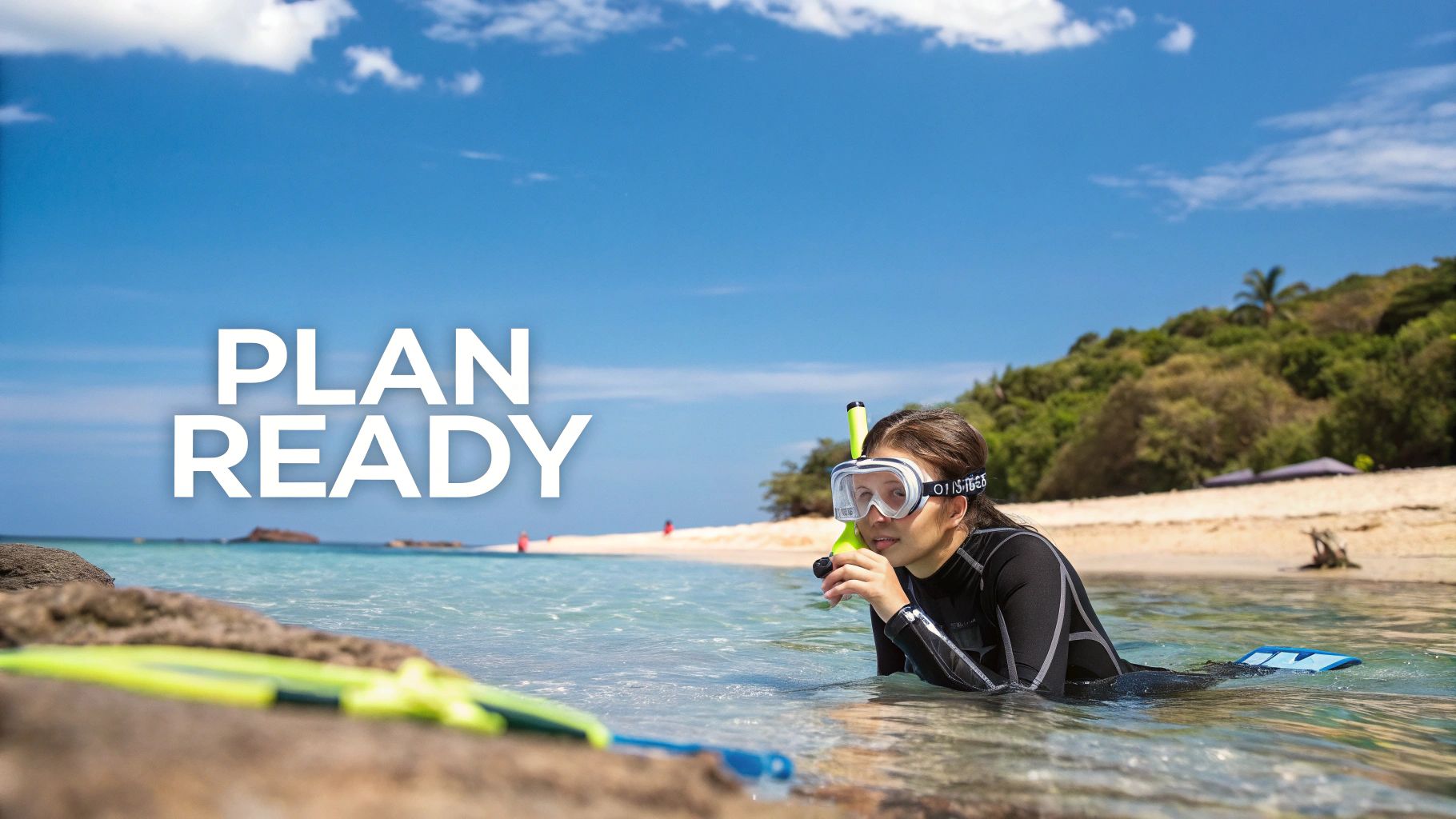
This self-awareness is essential for several reasons. It allows you to choose appropriate snorkeling sites based on your skill level. For beginners, this might mean opting for shallow, calm bays rather than venturing out to exposed reefs with strong currents. For experienced snorkelers, understanding limitations can prevent pushing boundaries too far in challenging conditions. It also encourages gradual skill building, allowing you to progressively explore more demanding environments as you gain confidence and experience.
For example, Hanauma Bay in Hawaii requires all visitors to watch a safety video that emphasizes the importance of knowing one's limits before entering the water. Similarly, many reef conservation programs classify snorkel sites by difficulty level, providing guidance for snorkelers of varying abilities. The Florida Keys, and Marathon in particular, offer a diverse range of snorkeling sites, from shallow, calm areas perfect for beginners to deeper reefs for more experienced snorkelers. Recognizing your limits will help you choose a location that matches your skill set and ensures a safe and enjoyable experience.
Actionable Tips for Knowing Your Limits:
- Start Slow and Steady: If you're a beginner, start in shallow, protected areas like a calm beach or bay. Practice in a swimming pool before heading out to the ocean.
- Gradual Progression: Build your endurance gradually with shorter snorkeling sessions initially, progressively increasing the duration as you become more comfortable.
- Honest Communication: If you're participating in a guided snorkel tour, be honest with the tour operators about your swimming abilities and any medical conditions. They can offer appropriate guidance and support.
- Consider a Snorkel Vest: Even strong swimmers can benefit from a snorkel vest, especially in open water. It provides added buoyancy and can be a reassuring safety net.
- Check Conditions: Before heading out, always check the weather forecast and water conditions. Avoid snorkeling in rough seas or strong currents.
- Buddy Up: Snorkel with a buddy and stay within sight of each other. This provides an extra layer of safety in case either of you encounters difficulties.
Pros and Cons of Self-Assessment:
- Pros: Prevents overexertion and panic situations, allows for appropriate site selection, encourages gradual skill building, enhances overall safety.
- Cons: Can be difficult to self-assess accurately, may require limiting exploration in challenging sites.
Knowing your limits is a cornerstone of snorkeling safety and deserves a prominent place on this list. By honestly evaluating your abilities and respecting the power of the ocean, you can significantly reduce the risk of accidents and ensure a positive and memorable snorkeling experience for yourself, your family, or your partner while exploring the beautiful waters of the Florida Keys. This principle, popularized by programs like the PADI Skin Diver certification and Red Cross swimming assessments, empowers you to take control of your safety and enjoy the underwater world responsibly.
5. Practice Proper Snorkeling Techniques
Mastering fundamental snorkeling techniques is paramount for a safe and enjoyable experience, especially for families, couples, and tourists exploring the beautiful waters of the Florida Keys and Marathon. This isn't just about comfort; it's about conserving energy, maintaining control in the water, and ensuring efficient breathing. These factors directly impact your safety and reduce the risk of exhaustion, water inhalation, and panic—three common contributors to snorkeling accidents.
Proper snorkeling technique encompasses several key elements:
- Controlled breathing through the snorkel: Learning to breathe calmly and rhythmically through the snorkel is essential. This prevents water inhalation and helps conserve energy.
- Proper fin kicking techniques: The flutter kick, executed with small movements from the hip, propels you efficiently through the water with minimal effort. Avoid large, splashing kicks which waste energy and disturb marine life.
- Mask clearing methods: Knowing how to clear your mask of water without surfacing is crucial for maintaining visibility and staying calm.
- Surface swimming positions: Adopting a relaxed, horizontal position at the surface conserves energy and allows for easy breathing through the snorkel. Keeping your arms at your sides further streamlines your body and reduces exertion.
Practicing these techniques before venturing into deeper waters offers significant advantages:
Pros:
- Reduces energy expenditure: Efficient techniques allow you to snorkel for longer periods without tiring.
- Improves comfort and enjoyment: Mastering the basics enhances your overall snorkeling experience, allowing you to focus on the underwater world, not your equipment.
- Minimizes panic risk: Confidence in your skills reduces anxiety and the likelihood of panicking in unexpected situations.
- Extends snorkeling duration safely: By conserving energy and breathing efficiently, you can explore more extensively without compromising your safety.
Cons:
- Requires practice to master: Like any skill, proper snorkeling techniques require practice and patience.
- May feel unnatural at first: Breathing through a snorkel and using fins can feel awkward initially, but with practice, it becomes second nature.
Organizations like Jean-Michel Cousteau's Ocean Futures Society, along with PADI and SSI snorkel instruction programs, champion the importance of proper technique. Even local Hawaiian lifeguard associations emphasize these fundamentals for safe snorkeling practices. You can find numerous resources, including PADI's Discover Snorkeling program and complimentary snorkel clinics offered by resorts like the Four Seasons Maui, that demonstrate and teach proper techniques. Learn more about Practice Proper Snorkeling Techniques
Tips for Practicing:
- Practice breathing through your snorkel in shallow water first, getting accustomed to the sensation before heading to deeper areas.
- Master the flutter kick with fins by focusing on small, controlled movements originating from the hip. Avoid bending your knees excessively.
- Learn to clear your mask without surfacing. This involves exhaling forcefully through your nose to push the water out.
- Keep your arms at your sides while snorkeling to conserve energy and maintain a streamlined position.
- Look down at a 45-degree angle. This keeps your airway open and allows for comfortable breathing through the snorkel.
The following video demonstrates some essential snorkeling techniques:
For those exploring the Florida Keys and Marathon, investing time in practicing these techniques will significantly enhance your snorkeling experience. It allows you to fully appreciate the vibrant coral reefs and diverse marine life while ensuring your safety and enjoyment in the water.
6. Protect Yourself from the Sun
Snorkeling offers an incredible window into the underwater world, but the mesmerizing beauty can distract from a crucial safety aspect: sun protection. The glistening water acts as a magnifying glass, intensifying the sun's rays and increasing your risk of sunburn, heat exhaustion, and dehydration – all of which can impair your judgment and compromise your safety in the water, especially in sun-drenched destinations like the Florida Keys. Protecting yourself from the sun isn't just about comfort; it's a fundamental part of safe snorkeling.
Why Sun Protection is Crucial for Snorkelers
Water reflects and magnifies the sun's harmful UV radiation. When you're snorkeling, a significant portion of your body is exposed to these intensified rays for extended periods. This exposure can lead to painful sunburns that can ruin your vacation, not to mention the increased risk of long-term skin damage. Furthermore, heat exhaustion and dehydration, both exacerbated by sun exposure, can lead to disorientation and fatigue in the water, posing serious safety risks.
Successful Implementations of Sun Protection Strategies:
- Hawaii's Sunscreen Regulations: Hawaii has taken a leading role in protecting its delicate coral reefs by banning sunscreens containing certain chemicals known to harm coral. This initiative highlights the importance of reef-safe sunscreen for both personal health and environmental preservation, setting a precedent for other tourist destinations like the Florida Keys.
- Australia's "Slip-Slop-Slap" Campaign: This highly successful public health campaign emphasizes "Slipping on a shirt, Slopping on sunscreen, and Slapping on a hat" to promote sun safety during outdoor activities, including water recreation. The campaign's simplicity and effectiveness demonstrate the power of clear and actionable sun protection advice.
Features of Effective Sun Protection for Snorkeling:
- UV Protection for Exposed Skin: Reef-safe sunscreen with a high SPF (30 or higher) is essential.
- Head and Neck Coverage: A wide-brimmed hat provides crucial shade for your face and neck during surface intervals.
- Hydration Maintenance: Regularly drinking water throughout the day, especially before, during, and after snorkeling sessions, is crucial.
- Reef-Safe Sunscreen Usage: Protecting the vibrant coral ecosystems of places like the Florida Keys and Marathon requires using sunscreens free of chemicals like oxybenzone and octinoxate.
Pros and Cons of Sun Protection Measures:
Pros:
- Prevents painful sunburn, allowing you to fully enjoy your vacation.
- Reduces the risk of heat-related illnesses like heat exhaustion and heatstroke.
- Protects against long-term skin damage, including skin cancer.
- Supports environmental responsibility by using reef-safe products.
Cons:
- Requires diligent and regular reapplication of sunscreen, especially after swimming.
- Reef-safe sunscreen options can sometimes be less water-resistant than traditional sunscreens.
Actionable Tips for Snorkelers in the Florida Keys and Marathon:
- Apply reef-safe sunscreen at least 30 minutes before entering the water. This allows the sunscreen to properly absorb into your skin.
- Wear UV-protective clothing. Rash guards, swim shirts, and even leggings offer excellent sun protection and can be more convenient than constantly reapplying sunscreen.
- Use a wide-brimmed hat during surface intervals. This provides essential shade for your face, ears, and neck.
- Schedule your snorkeling trips to avoid peak sun hours (10 am – 2 pm). The sun's rays are strongest during these times.
- Rehydrate frequently. Carry a reusable water bottle and sip water throughout the day, especially before, during, and after snorkeling.
- Seek shade whenever possible. Take breaks from snorkeling under a beach umbrella or tree.
Popularized By:
Brands like Stream2Sea, Badger, and Raw Elements are leading the way in reef-safe sunscreen formulations. The Skin Cancer Foundation also provides valuable guidelines for sun protection.
By prioritizing sun safety, you can ensure a more enjoyable and safer snorkeling experience in the beautiful waters of the Florida Keys and Marathon, protecting both yourself and the fragile marine environment.
7. Understand Marine Life Interactions
Snorkeling opens a window into a breathtaking underwater world, teeming with diverse marine life. However, this privilege comes with the responsibility of understanding and respecting the inhabitants of this realm. Knowing how to interact (or not interact) with marine life is crucial not only for your safety but also for the preservation of these delicate ecosystems. This means learning to identify local species, understanding potential hazards, and adopting a hands-off approach to observation.
This knowledge empowers you to avoid potentially harmful encounters. For example, recognizing the difference between a harmless nurse shark and a more aggressive species can significantly impact your safety. Similarly, understanding that touching coral can damage its fragile structure reinforces the importance of maintaining a respectful distance. This informed approach enhances your snorkeling experience by transforming you from a passive observer into an active participant who appreciates the nuances of the underwater world.
Successful implementation of marine life interaction guidelines has led to demonstrable improvements in both snorkeler safety and ecosystem health. For instance, the Great Barrier Reef has seen a reduction in stingray incidents after implementing educational programs and safety guidelines for snorkelers. Similarly, focused educational campaigns in Hawaii have contributed to a reduction in coral damage caused by uninformed snorkelers. These examples highlight the powerful impact of education and responsible interaction.
Actionable Tips for Respectful Snorkeling:
- Pre-Trip Research is Key: Before you even dip your fins in the water, research the common marine life found in the Florida Keys, particularly around Marathon. Pay special attention to potentially dangerous species like jellyfish, scorpionfish, and fire coral. Familiarize yourself with their appearance and behavior.
- Maintain a Respectful Distance: Keep at least 6-10 feet away from all marine life. This allows them to behave naturally without feeling threatened and reduces the risk of accidental contact or disturbance.
- Look, Don't Touch: Resist the urge to touch coral, even if it appears sturdy. Coral is extremely fragile, and even a gentle touch can cause irreparable damage. The same rule applies to all marine creatures – observe their beauty without interfering with their natural behaviors.
- Avoid Shiny Jewelry: Shiny jewelry can attract the attention of certain fish, potentially leading to unwanted interactions. Opt for more subdued accessories when snorkeling.
- Move Slowly and Deliberately: Quick, jerky movements can startle marine life. Move slowly and deliberately through the water to observe without disturbing the natural rhythm of the reef.
Why Understanding Marine Life Interactions is Essential:
This aspect of snorkeling safety deserves a prominent place on the list because it addresses both personal safety and environmental responsibility. The pros of informed interaction are clear: preventing harmful encounters with wildlife, enhancing the snorkeling experience through a deeper understanding of the underwater world, and contributing to marine conservation efforts.
While there are some minor cons, such as requiring pre-trip research and potentially limiting direct interaction, these are far outweighed by the benefits. The small investment in education can have a significant positive impact on your snorkeling adventure and the health of the marine environment. This approach is championed by renowned marine conservationists like Jean-Michel Cousteau, Sylvia Earle, REEF (Reef Environmental Education Foundation), and Project AWARE, underscoring its importance.
By prioritizing respectful interaction with marine life, families, couples, and tourists visiting the Florida Keys, especially Marathon, can ensure a safe and enriching snorkeling experience while contributing to the long-term preservation of these invaluable ecosystems.
8. Have an Emergency Action Plan
Snorkeling is a fantastic way to explore the underwater world, especially in beautiful locations like the Florida Keys and Marathon, FL. However, even in seemingly calm and shallow waters, unexpected situations can arise. Having a well-defined emergency action plan is crucial for ensuring a safe and enjoyable snorkeling experience for families, couples, and all tourists. This proactive approach can be the difference between a minor inconvenience and a serious incident.
An emergency action plan involves preparing for potential problems before they occur. This includes understanding the local emergency resources available, establishing reliable communication methods, and having a basic understanding of first aid for common snorkeling-related issues like cuts, stings, and exhaustion. Knowing where your exit points are is also a critical component.
Why is this so important? Because in an emergency, quick and informed action is vital. A pre-established plan reduces response time, improving the outcome of any medical incident and providing invaluable peace of mind for everyone involved. For example, in 2019, a tourist in Hawaii was saved thanks to the prompt use of a whistle to signal distress. Resources like Maui's Beach Safety Guide offer site-specific emergency information, demonstrating the value of local knowledge.
Features of a Solid Emergency Action Plan:
- Knowledge of Local Emergency Services: Familiarize yourself with the local emergency numbers, the nearest medical facilities, and the procedures for contacting them.
- Communication Devices or Signals: Carry a whistle or other signaling device. A waterproof phone case or marine radio can also be invaluable for communication in emergencies.
- Basic First Aid Understanding: Learn basic CPR and how to treat common snorkeling-related injuries. Knowing how to respond to jellyfish stings or minor cuts can significantly improve comfort and safety.
- Exit Point Awareness: Before entering the water, identify multiple exit points. Conditions can change quickly, and having alternative exit strategies is essential.
Pros:
- Reduces response time in emergencies
- Improves outcome of medical incidents
- Provides peace of mind
Cons:
- Requires preparation and local research
- Some emergency equipment adds bulk
Actionable Tips for Snorkelers:
- Carry a whistle or other signaling device at all times.
- Know the international distress signal (one arm raised).
- Identify multiple exit points before entering the water.
- Learn basic CPR and first aid.
- Research local emergency numbers and the nearest medical facilities in the Florida Keys and Marathon, FL.
- Consider a waterproof phone case or marine radio for communication.
- Check resources like local ocean safety departments' websites for area-specific advice.
Learn more about Have an Emergency Action Plan
Organizations like the Divers Alert Network (DAN) with their emergency protocols, the American Red Cross water safety programs, and local ocean safety departments have popularized the importance of emergency action plans. Implementing these recommendations can significantly enhance your snorkeling safety, allowing you to fully enjoy the underwater beauty of the Florida Keys and Marathon, FL with confidence. This proactive approach deserves its place on the list of essential snorkeling safety tips because it empowers snorkelers to take charge of their safety and be prepared for any eventuality.
8-Point Snorkeling Safety Comparison
| Tip Title | 🔄 Complexity | ⚡ Resources | 📊 Expected Outcomes | 💡 Ideal Use Cases | ⭐ Advantages |
|---|---|---|---|---|---|
| Choose the Right Snorkeling Equipment | Medium – Careful fitting required | High – Investment in quality gear | Enhanced safety, clear vision, efficient swimming | All snorkelers seeking optimal performance | Long-lasting gear, improved comfort, reduced panic risks |
| Never Snorkel Alone | Low – Simple buddy system | Minimal – Just a reliable partner | Immediate emergency assistance | Recreational snorkeling groups | Quick rescue response, shared safety and enjoyment |
| Check Weather and Water Conditions | Low – Monitoring local forecasts | Low – Access to charts and marine reports | Avoidance of hazardous conditions | Excursions in variable climates | Prevention of dangerous currents, storms and rough surf |
| Know Your Limits and Skill Level | Low – Requires honest self-assessment | Minimal – Personal evaluation | Reduced risk of overexertion and panic | Beginners and cautious individuals | Safer site selection, steady skill progression |
| Practice Proper Snorkeling Techniques | Medium – Training and practice needed | Moderate – Investment in time and/or classes | Improved energy conservation and control | New snorkelers or those seeking technique improvement | Enhanced comfort, prolonged safe snorkeling sessions |
| Protect Yourself from the Sun | Low – Routine application of protection | Low to Moderate – Sunscreen and UV gear | Reduced risk of sunburn and heat-related issues | Extended snorkeling sessions | Long-term skin protection, maintained hydration |
| Understand Marine Life Interactions | Low – Basic research required | Minimal – Access to guides and educational resources | Reduced harmful encounters and minimized environmental impact | Eco-tourism or nature-focused snorkeling trips | Safer interactions with marine life, contribution to conservation |
| Have an Emergency Action Plan | Moderate – Requires pre-planning | Moderate – Safety devices and training | Faster emergency response and improved rescue outcomes | High-risk or unfamiliar snorkeling areas | Increased peace-of-mind, efficient handling of emergencies |
Snorkel Smart, Explore Safely!
From choosing the right gear and understanding water conditions to respecting marine life and having an emergency plan, the tips covered in this article provide a comprehensive guide to safe snorkeling practices. The key takeaway is simple: preparation and awareness are paramount for an enjoyable and incident-free experience. Mastering these concepts allows you to confidently explore the underwater world, minimizing risks and maximizing your appreciation for the vibrant ecosystems beneath the surface. Remember, your safety is your responsibility, and by prioritizing it, you open the door to unforgettable underwater adventures.
By following these guidelines, you're not just protecting yourself, you're also contributing to the preservation of these delicate environments for future generations to enjoy. A well-planned snorkel is a safe snorkel, leading to a richer and more rewarding experience. Want to enjoy the beauty of the Florida Keys with added peace of mind? Join Marathon Snorkeling & Sunset Cruise for a guided snorkeling adventure where safety is their top priority. Visit Marathon Snorkeling And Sunset Cruise to learn more about their expert-led tours and commitment to a secure and unforgettable snorkeling experience.