
Top Snorkeling Safety Tips for a Safe Dive

Dive into Safety: Essential Tips for Snorkelers
Snorkeling in the Florida Keys offers incredible underwater experiences, but safety should always come first. This listicle provides eight key tips for a safe and enjoyable snorkeling adventure in Marathon and beyond. From pre-trip equipment checks to understanding marine life safety, these guidelines will help you minimize risks and maximize your underwater exploration, whether you're a first-timer or a seasoned snorkeler. Let's dive in!
1. Check Equipment Before Entering Water
Before you even dip your toes into the inviting waters of the Florida Keys, a crucial step stands between you and a safe, enjoyable snorkeling experience: a thorough equipment check. This pre-dive inspection isn't just a good idea, it's a fundamental safety practice that can prevent potentially dangerous situations arising from equipment failure mid-snorkel. Carefully inspecting your gear ensures everything is in optimal working condition, allowing you to focus on the wonders beneath the surface rather than struggling with faulty equipment. This involves scrutinizing your mask for any cracks or damage, verifying that the snorkel is clear of obstructions, and examining your fins for any signs of wear and tear.
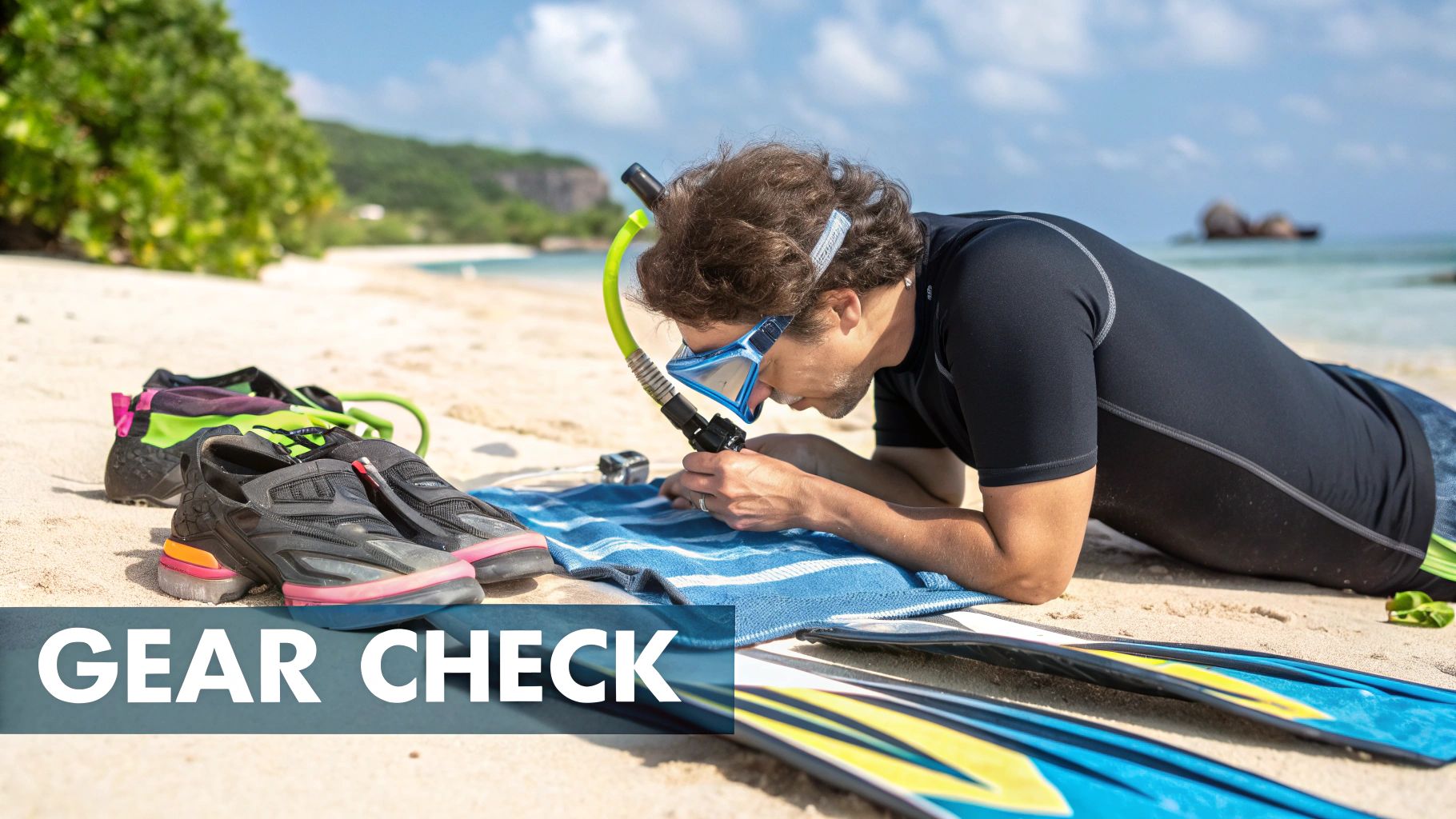
This pre-dive ritual offers several key benefits, including preventing mid-snorkel equipment malfunctions that can jeopardize your safety and enjoyment. It also allows you to identify wear and tear before it becomes a hazard, saving you from potential problems down the line. Perhaps most importantly, consistently checking your equipment instills good safety habits, creating a mindful approach to snorkeling that benefits both beginners and seasoned snorkelers.
For example, imagine a family visiting Marathon, FL, excited to explore the vibrant coral reefs. A quick pre-dive check reveals a small crack in the child's mask. This seemingly minor flaw could have led to a leaky mask underwater, causing panic and discomfort, potentially ruining the snorkeling trip. By identifying the issue beforehand, the family avoids a stressful situation and ensures a pleasant experience for everyone. You can Learn more about Check Equipment Before Entering Water to get a better understanding of the various equipment involved.
While the benefits are undeniable, pre-dive checks do have potential drawbacks. The excitement of getting into the water, particularly for first-time snorkelers or families eager to start their adventure, can sometimes lead to overlooking this essential step. Additionally, knowing what constitutes unsafe equipment requires some familiarity with snorkeling gear.
To maximize the effectiveness of your pre-dive check, consider these practical tips:
- Test your mask seal: Before entering the water, place the mask on your face without the strap and inhale gently. If the mask seals securely without falling off, it’s a good sign.
- Inspect the snorkel mouthpiece: Look for any tears, cracks, or damage to the mouthpiece that could compromise its functionality.
- Check fin straps: Ensure the fin straps have good elasticity and are not frayed or broken. This will ensure a secure and comfortable fit.
- Rinse equipment with fresh water: After each snorkeling session, rinse your equipment with fresh water to remove salt and debris, preventing deterioration and extending its lifespan.
For families, couples, and tourists exploring the Florida Keys, particularly in Marathon, checking your equipment before entering the water is paramount. The diverse marine life and stunning coral reefs await, but prioritizing safety through a thorough equipment check will ensure your snorkeling adventure is both memorable and safe.
2. Never Snorkel Alone
Snorkeling is a fantastic way to explore the underwater world, especially in vibrant locations like the Florida Keys and Marathon, FL. However, safety should always be the top priority. A fundamental rule for ensuring a safe and enjoyable snorkeling experience is to never snorkel alone. This means adhering to the buddy system, a practice where you snorkel with at least one other person. This partner serves as a crucial safety net, able to provide assistance in case of unexpected events, from equipment malfunctions to sudden medical emergencies. Solo snorkeling, even for experienced swimmers, significantly increases the risks involved and removes this vital layer of protection.
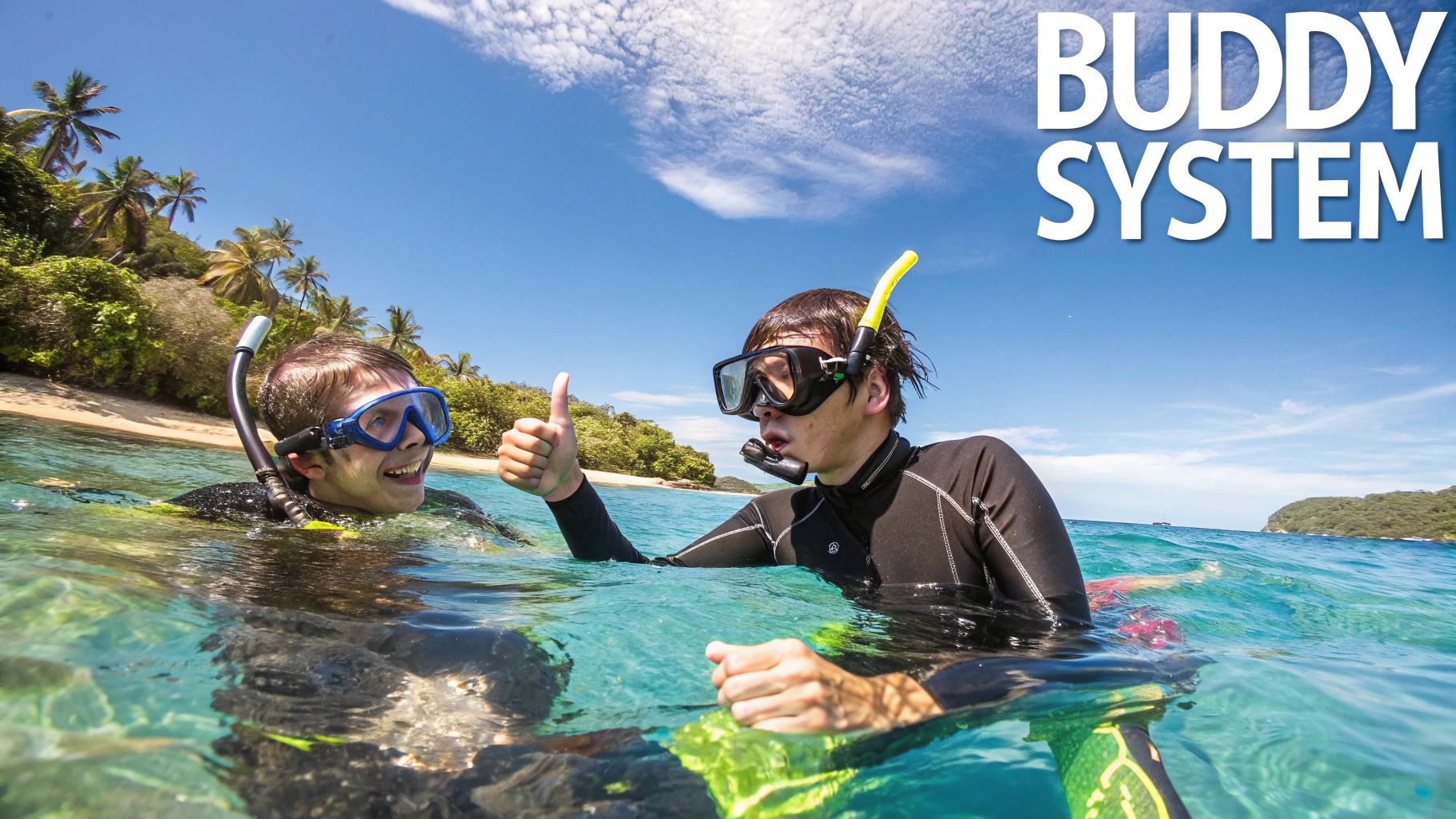
The buddy system’s effectiveness relies on mutual monitoring and the ability to respond to emergencies. Each buddy keeps a watchful eye on the other, looking for signs of distress or danger. This constant vigilance enables a quick response if a problem arises. For example, in 2019, a snorkeler in Maui was saved by his buddy who noticed him struggling with a sudden cramp and helped him back to shore. This highlights the importance of having someone there to provide immediate assistance. Learn more about Never Snorkel Alone
The benefits of the buddy system extend beyond immediate physical assistance. Buddies can alert each other to potentially dangerous conditions, such as strong currents, approaching boats, or marine life that should be avoided. Furthermore, having a companion provides psychological comfort, enhancing the overall enjoyment of the snorkeling experience, especially for those who might feel anxious in the water. This is particularly valuable for families and couples exploring new snorkeling spots.
While the buddy system is undeniably crucial, it does have some minor drawbacks. It requires coordination with another person, which might limit spontaneous snorkeling opportunities. However, the significant safety advantages far outweigh this inconvenience.
Actionable Tips for Implementing the Buddy System:
- Maintain Visual Contact: Stay within visual contact of your buddy at all times. This allows you to quickly notice if they are experiencing any difficulties. The clarity of the water in the Florida Keys often allows for excellent visibility, but maintaining close proximity is still crucial.
- Establish Hand Signals: Before entering the water, establish a set of hand signals to communicate essential information such as "okay," "I need help," "go up," or "stay put." This is particularly important in areas with boat traffic like Marathon, FL.
- Regular Check-ins: Throughout your snorkeling session, check on each other regularly, even if everything seems fine. A simple “thumbs up” signal can confirm that all is well.
- Plan Your Route: Plan your snorkeling route together before starting. This ensures everyone is aware of the intended path and reduces the risk of someone getting separated.
The buddy system, popularized by organizations like PADI (Professional Association of Diving Instructors) and various National Water Safety organizations, is a cornerstone of safe snorkeling practices. Its focus on mutual support and emergency preparedness makes it an essential safety measure for all snorkelers, regardless of experience level. Especially when snorkeling with family and friends in tourist destinations like the Florida Keys and Marathon, FL, the buddy system provides invaluable peace of mind, allowing everyone to fully enjoy the underwater wonders safely.
3. Be Aware of Weather and Water Conditions
Snorkeling is a fantastic way to experience the underwater world, but safety should always be your top priority. A key element of safe snorkeling is understanding and respecting the power of the ocean and weather. Conditions can change rapidly, impacting visibility, currents, and wave action, all of which can significantly affect your snorkeling experience and even put you in danger. Before entering the water, it's crucial to assess the current conditions and evaluate if they are suitable for your skill level. This involves checking wave height, currents, tides, wind speed, and visibility.
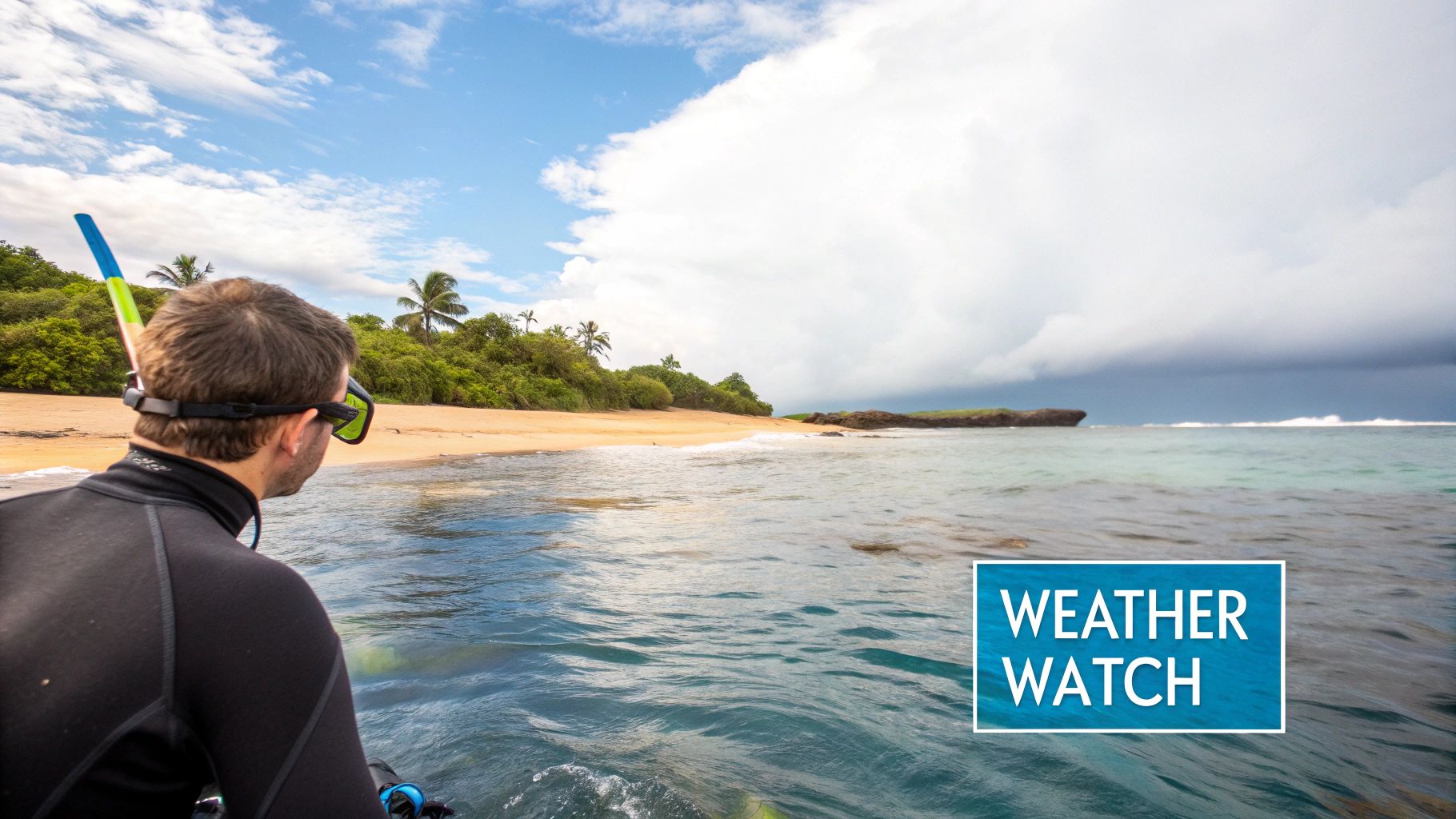
This pre-snorkeling environmental assessment allows you to make informed decisions about not only if you should snorkel but also where. For example, if the surf is high on the Atlantic side of the Florida Keys, the calmer Gulf side might offer perfect snorkeling conditions. This flexibility in choosing your location based on real-time conditions is a major benefit of staying informed. You can also avoid the unpleasant and potentially dangerous experience of being caught in changing conditions while already in the water. Regularly monitoring conditions throughout your snorkeling trip is also essential, as even seemingly stable weather can shift quickly.
This proactive approach is particularly vital for families and couples visiting the Florida Keys, especially Marathon, where diverse water conditions can exist across relatively short distances. The benefits of checking conditions are clear: preventing snorkeling in hazardous situations and reducing the risk of unexpected changes. Learn more about Be Aware of Weather and Water Conditions. However, it requires a basic understanding of marine weather patterns and might occasionally mean canceling planned snorkeling activities, which can be disappointing.
Tips for Assessing Water and Weather Conditions:
- Check local marine weather forecasts: Look for forecasts specifically designed for marine activities, as they provide details relevant to snorkeling, such as wind speed, wave height, and currents.
- Talk to the locals: Lifeguards and local snorkel shops are excellent resources for up-to-the-minute information on current conditions. They can offer valuable insights into specific locations and potential hazards.
- Learn to recognize warning signs: Choppy water, strong offshore winds, and rapidly changing tides are all visual cues that conditions may be unsafe.
- Download marine weather apps: Many apps provide real-time updates on weather and ocean conditions directly to your phone, allowing you to stay informed even on the go.
Organizations like the National Oceanic and Atmospheric Administration (NOAA) and local lifeguard associations promote the importance of understanding water and weather conditions. For example, the Hawaii Ocean Safety Team regularly publishes updated conditions for popular snorkeling locations to help tourists make safe decisions. This proactive approach is a model for other coastal areas and underscores the significance of this safety tip. By making weather and water awareness an integral part of your snorkeling routine, you enhance your safety and enjoyment of this incredible activity.
4. Know Your Limits and Skill Level
Snorkeling is a fantastic way to experience the underwater world, but safety should always be the top priority. A key aspect of safe snorkeling is honestly assessing your swimming ability, physical fitness, and snorkeling experience. Pushing beyond your capabilities in open water not only puts you at risk but can also endanger potential rescuers. Understanding your limitations allows you to choose appropriate snorkeling locations and conditions, ensuring a fun and safe experience for everyone.
This self-assessment involves considering several factors. Are you a confident swimmer capable of handling unexpected currents or waves? Do you have any pre-existing health conditions that might be exacerbated by exertion in the water? How much experience do you have with snorkeling gear? Being honest with yourself about these questions is crucial. Choosing skill-appropriate sites and progressively building your skills are key components of this approach. For example, a beginner should start in shallow, calm waters near the shore, while a more experienced snorkeler might venture further out or explore areas with more challenging currents. As you gain confidence and experience, you can gradually increase the distance, time, and difficulty of your snorkeling adventures.
Successfully implementing this approach means choosing locations that match your skill level. For instance, families with young children or less experienced swimmers visiting the Florida Keys might choose Sombrero Beach in Marathon, known for its calm, shallow waters, rather than attempting a more challenging reef snorkel further offshore. Similarly, a couple with limited snorkeling experience might opt for a guided tour in a protected area instead of venturing out independently in strong currents.
Actionable Tips for Snorkeling Safely Within Your Limits:
- Start Slow and Steady: If you're a beginner, start in shallow, protected areas like a calm bay or a pool. Gradually increase the distance and time you spend snorkeling as your skills and confidence improve.
- Consider a Snorkeling Course: Taking a basic snorkeling course can teach you proper techniques for breathing, finning, and clearing your mask, making you a more competent and confident snorkeler.
- Be Honest with Tour Guides: If you're joining a guided tour, be honest with your guide about your experience level and any physical limitations. They can help you choose appropriate activities and provide extra support if needed.
- Practice in Controlled Environments: Before venturing into the ocean, practice using your snorkeling gear in a controlled environment like a swimming pool. This will help you become comfortable with the equipment and improve your breathing and finning techniques.
- Recognize Changing Conditions: Even experienced snorkelers should be prepared to adjust their plans based on changing weather and water conditions. If the wind picks up or the current gets stronger, it's always best to err on the side of caution and return to shore.
This self-assessment deserves a place on this list because it is fundamental to preventing potentially dangerous situations. Building confidence through appropriate challenges allows for gradual skill improvement. While it might require declining group activities beyond your skill level and necessitates honest self-reflection, the enhanced safety and enjoyment of your snorkeling experience far outweigh these minor drawbacks. As highlighted by the unfortunate examples of snorkeling fatalities in Hawaii often involving individuals overestimating their abilities in challenging conditions, knowing your limits is paramount. By honestly assessing your skills and choosing appropriate snorkeling locations and conditions, you can enjoy the beauty of the underwater world safely and responsibly.
5. Use Proper Sun Protection
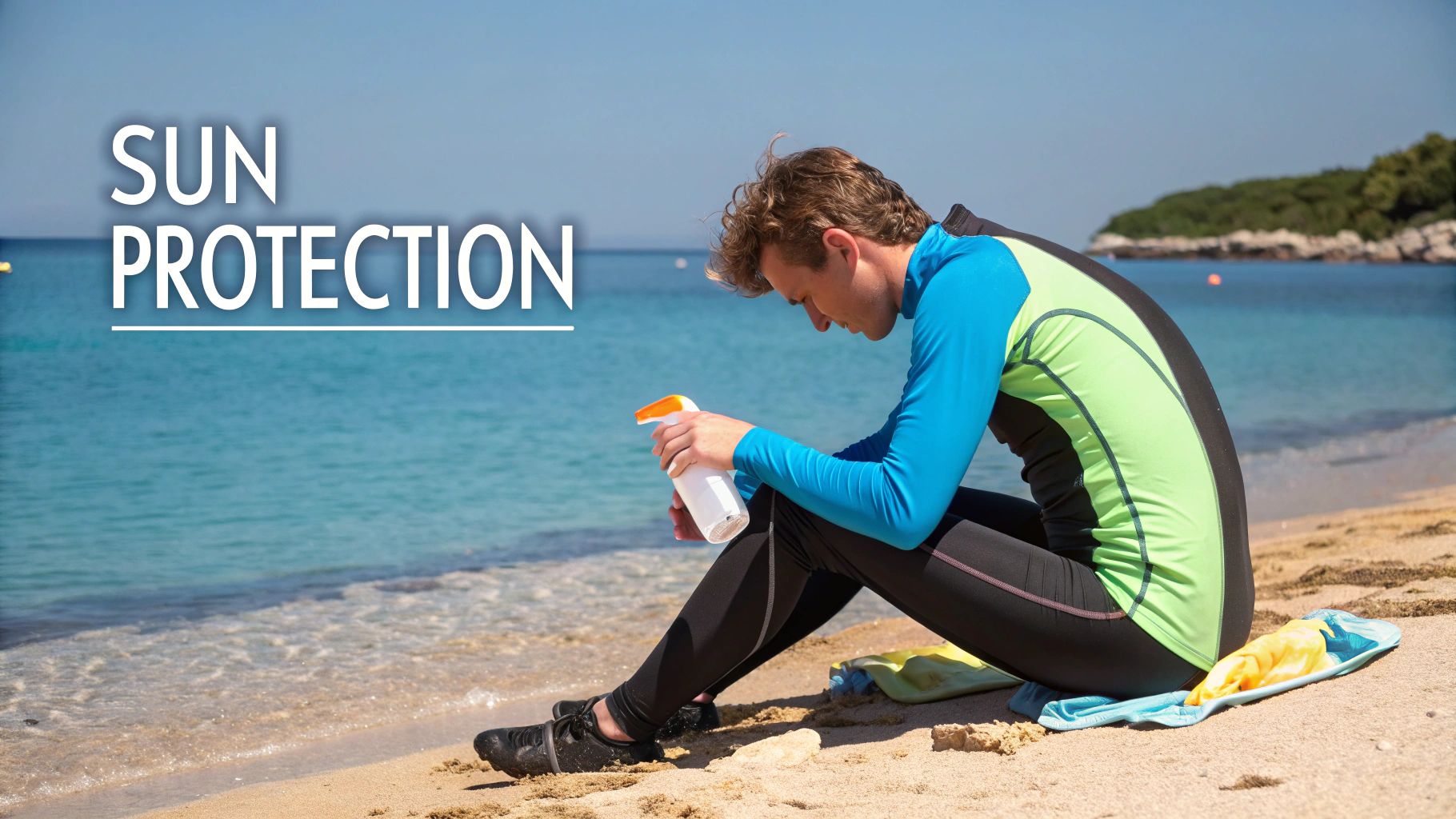
Protecting yourself from the sun's harmful rays is crucial, especially when spending extended periods in the water. The intensity of sun exposure is magnified while snorkeling due to reflection from the water's surface, and extended time outdoors increases your risk significantly. Severe sunburn isn't just uncomfortable; it can lead to dehydration, heat exhaustion, and a heightened risk of skin cancer. Therefore, proper sun protection isn't just about comfort—it's a critical safety consideration for all snorkelers, especially families and those visiting sunny destinations like the Florida Keys and Marathon, FL. For a deeper dive into the specifics of sun protection while snorkeling, the Kona Snorkel Trips blog offers a helpful snorkeling UV protection guide.
This essential safety practice centers around three key features: UV protection, heat management, and overall skin safety. By effectively addressing these areas, you can prevent painful sunburn and the associated health risks, reduce the chances of heat-related illness, and enjoy longer, more comfortable snorkeling sessions. Learn more about Use Proper Sun Protection
While the benefits of sun protection are clear, there are a few considerations to keep in mind. Reapplication is necessary, especially after returning to shore or toweling off. Additionally, certain sunscreen chemicals are harmful to coral reefs. Choosing the right sunscreen is, therefore, paramount.
Hawaii's 2018 sunscreen ban exemplified the global shift towards reef-safe sunscreen options. This legislation highlighted the importance of finding products that protect both snorkelers and the delicate marine environments they enjoy. Brands like Stream2Sea, Raw Elements, and Badger have popularized effective and environmentally responsible sunscreen formulas.
Here are some actionable tips to ensure you're adequately protected:
- Use reef-safe sunscreen with at least SPF 30: This provides broad-spectrum protection against both UVA and UVB rays.
- Wear a rash guard or UV-protective shirt: These offer an additional layer of defense, especially beneficial for prolonged snorkeling trips.
- Consider a full-body skin suit for extended sessions: This is particularly helpful for children or individuals highly sensitive to the sun.
- Don't forget often-missed areas: Pay attention to your ears, the back of your neck, and the tops of your feet.
- Reapply sunscreen according to package directions: This ensures continuous protection, even after swimming.
By taking these precautions, you can significantly minimize the risks associated with sun exposure and ensure a safe and enjoyable snorkeling experience for everyone.
6. Stay Hydrated and Energized
Snorkeling in the vibrant waters of the Florida Keys, especially around Marathon, is an unforgettable experience. However, the warm sun, clear waters, and exciting underwater world can mask the physical exertion involved. Staying properly hydrated and energized is crucial for a safe and enjoyable snorkeling adventure. Dehydration and low energy levels can lead to serious problems like muscle cramps, disorientation, and reduced decision-making abilities – all of which increase the risk of accidents in the water.
Why Hydration and Energy Matter:
Snorkeling, while seemingly relaxing, is a physical activity. You're constantly moving your limbs against water resistance, often in warm, sunny conditions that accelerate fluid loss through sweating and evaporation. This makes proper hydration management, before, during, and after snorkeling, vital. Similarly, maintaining your energy levels through proper nutrition helps support your physical functioning and keeps you alert and responsive to changing conditions.
Examples of the Dangers:
Studies of snorkeling incidents, including those in similar tropical environments like Hawaii, frequently cite dehydration as a contributing factor in emergencies. Cramping can occur unexpectedly, hindering your ability to swim. Disorientation due to dehydration can make it difficult to navigate back to the boat or shore, especially in areas with currents. These situations can quickly become dangerous, particularly for families and couples snorkeling together.
Actionable Tips for Staying Hydrated and Energized:
- Pre-Hydrate: Drink plenty of water in the hours leading up to your snorkeling trip. Don't wait until you're thirsty to start hydrating.
- Avoid Alcohol: Alcohol dehydrates the body, impairing judgment and coordination. Refrain from alcoholic beverages before and during snorkeling activities.
- Hydrate During Breaks: Take regular breaks from snorkeling to rehydrate, especially during long sessions. Bring water with you on the boat or keep it readily accessible on shore. Consider using a hydration pack or a floating waterproof container for longer trips.
- Snack Smart: Pack easily digestible snacks like fruit, granola bars, or trail mix to maintain energy levels during breaks. Avoid heavy, greasy foods that might upset your stomach.
- Recognize Dehydration Signs: Be aware of early signs of dehydration, including thirst, headache, dizziness, unusual fatigue, and muscle cramps. If you experience any of these symptoms, stop snorkeling immediately and rehydrate.
- Post-Hydrate: Continue drinking water after your snorkeling adventure to replenish fluids lost throughout the day.
Pros and Cons:
- Pros: Reduces the risk of muscle cramps, maintains clear thinking and decision-making abilities, supports overall physical functioning for a safer and more enjoyable snorkeling experience.
- Cons: Requires planning and effort to ensure access to water and snacks during snorkeling sessions.
Why this is Essential for Snorkelers:
Staying hydrated and energized is as important as wearing a properly fitting mask and fins. It directly impacts your safety and well-being in the water. By prioritizing hydration and energy maintenance, you can minimize potential risks and maximize your enjoyment of the beautiful underwater world the Florida Keys and Marathon have to offer. This is especially critical for families with children and couples who rely on each other's well-being in the water.
7. Learn Basic Marine Life Safety
Snorkeling opens a window to a breathtaking underwater world, but it's crucial to remember that you're entering the home of diverse marine life. While the vast majority of these creatures are harmless and fascinating to observe, some pose potential dangers if encountered improperly. Understanding basic marine life safety is paramount for a safe and enjoyable snorkeling experience, ensuring both your well-being and the preservation of the delicate underwater ecosystem. This knowledge transforms you from a passive observer into a responsible explorer.
This involves familiarizing yourself with the potentially hazardous marine species in your snorkeling area, understanding their habitats and behaviors, and learning how to avoid negative interactions. This proactive approach minimizes the risk of stings, cuts, bites, or other injuries caused by accidental contact. It also helps protect the fragile coral reefs and other marine life from unintentional harm. For example, knowing that fire coral looks like seaweed but can inflict a painful sting helps you maintain a safe distance and avoid accidental contact. Similarly, understanding that pufferfish inflate when threatened allows you to recognize and avoid a potentially stressful (and for the pufferfish, potentially dangerous) encounter.
Successful implementation of marine life safety practices is evident in organized snorkeling tours, especially in areas with known hazardous species. For instance, Great Barrier Reef tours in Australia include mandatory briefings on avoiding contact with venomous species like box jellyfish and stonefish. These briefings cover identification, safe distances, and emergency procedures. Such proactive measures minimize incidents and contribute to a safer snorkeling environment for everyone.
Actionable Tips for Snorkelers:
- Research: Before you enter the water, research common hazardous species in your snorkeling location. Learn more about Learn Basic Marine Life Safety and explore resources specific to your destination. Local dive shops, marine parks, and online resources can provide valuable information.
- Distance: Maintain an appropriate distance from all marine life. A general guideline is to stay at least 2-3 meters away, but specific species may require greater distances. Observe from afar and avoid cornering or chasing animals.
- Hands Off: Never touch coral. This protects you from potential cuts from sharp coral skeletons and protects the delicate coral polyps from damage. The same applies to other marine life; avoid touching anything underwater.
- First Aid: Learn appropriate first aid for common marine injuries in your area, such as jellyfish stings, sea urchin punctures, and coral cuts. This knowledge can be invaluable in the event of an incident.
- Protective Clothing: In areas with abundant jellyfish or other stinging organisms, consider wearing a protective wetsuit or stinger suit.
Why Marine Life Safety Deserves its Place on the List:
This item is crucial for several reasons:
- Prevents Painful Encounters: Understanding potential hazards allows you to avoid painful and potentially dangerous encounters with venomous or stinging species.
- Protects Marine Life: Responsible snorkeling practices protect the fragile underwater ecosystem by minimizing disturbance and preventing accidental damage to coral and other marine life.
- Enhances Snorkeling Experience: Knowledge of marine life adds another layer of enjoyment to your snorkeling experience. Recognizing and understanding the creatures you encounter enriches your appreciation of the underwater world.
Pros:
- Prevents painful encounters with hazardous species
- Reduces risk of accidentally damaging fragile marine life
- Enhances overall snorkeling experience through knowledge
Cons:
- Different knowledge is required for different locations around the world. Research is key!
This focus on marine life safety makes your snorkeling adventure safer, more enjoyable, and more environmentally responsible, especially for families and couples exploring the vibrant waters of the Florida Keys and Marathon. By taking the time to learn about the local marine environment, you contribute to its preservation while ensuring a memorable and safe experience.
8. Learn and Use International Distress Signals
Clear communication in an emergency can be the difference between a quick resolution and a life-threatening situation. While enjoying the beautiful waters around the Florida Keys, particularly in Marathon, it's crucial to understand and utilize international distress signals. This knowledge is just as important as your mask and snorkel, especially for families and couples exploring the reefs.
This method relies on a simple yet powerful non-verbal signal: raising one arm straight up in the air while in the water. This action is universally recognized as a cry for help by boaters, lifeguards, and other snorkelers. It transcends language barriers, making it invaluable for tourists visiting from all over the world. Its simplicity also makes it easy to remember and execute under pressure.
Why This Matters in the Florida Keys: The waters around Marathon and the rest of the Florida Keys attract a high volume of boat traffic, including fishing charters, dive boats, and recreational vessels. Knowing and using the distress signal can significantly increase your chances of being noticed should you become separated from your group, experience equipment malfunction, or face any other emergency.
Successful Implementation: International distress signals have saved countless lives. For example, a Japanese tourist was rescued off Oahu when nearby boats recognized her raised arm distress signal. This highlights the universal effectiveness of this simple action.
Pros:
- Works across language barriers: Essential for diverse tourist populations in the Florida Keys.
- Can be seen from significant distances: Increases the likelihood of being spotted by boats or other snorkelers.
- Simple to remember and execute: Even under stress, this signal is easy to perform.
Cons:
- Requires sufficient strength to perform when in distress: Fatigue or injury can hinder this action.
- May not be visible in rough conditions: Choppy waters can obscure the signal.
Actionable Tips for Snorkelers:
- Practice with your buddy: Before entering the water, rehearse the distress signal with your snorkeling partner.
- Carry a whistle: Attach a whistle to your life vest or BCD for auditory signaling, especially helpful in rough conditions. A sound signal can often travel further than a visual one.
- Local procedures: Check with local dive shops or guides for any location-specific emergency procedures. They can offer invaluable insights specific to the area you'll be snorkeling.
- Enhance visibility: Consider a brightly colored snorkel or swim cap to increase your visibility in the water. This can make you easier to spot even from a distance.
- Emergency plan: Discuss a detailed emergency plan with your group before entering the water, including designated meeting points should you become separated. This is especially important for families snorkeling with children.
Popularized By: Coast Guard organizations, World Underwater Federation (CMAS), PADI and other diving certification organizations emphasize the importance of knowing and using this signal.
Learning and practicing the international distress signal is a non-negotiable element of safe snorkeling. While we all hope for a smooth and enjoyable experience, being prepared for unforeseen circumstances is crucial. This simple action could be the key to a swift rescue and ensure your snorkeling trip in the Florida Keys remains a positive memory.
8-Point Snorkeling Safety Comparison
| Safety Tip | 🔄 Implementation Complexity | ⚡ Resource Requirements | 📊 Expected Outcomes | 💡 Ideal Use Cases | ⭐ Key Advantages |
|---|---|---|---|---|---|
| Check Equipment Before Entering Water | Simple routine inspection | Minimal tools; just your own gear | Prevents gear failure and dangerous mishaps | Daily pre-dive checks for all snorkelers | Builds solid safety habits and risk prevention |
| Never Snorkel Alone | Moderate coordination with a buddy | Requires having a partner | Provides immediate assistance in emergencies | Group snorkeling and coordinated outings | Enhances emergency response and mutual support |
| Be Aware of Weather and Water Conditions | Moderate – needs attentive monitoring | Requires access to weather apps/forecasts | Avoids entering hazardous water conditions | Changing or unpredictable weather/sea conditions | Informed risk assessment and safer planning |
| Know Your Limits and Skill Level | Simple self-assessment | Minimal, with optional training opportunities | Prevents overexertion and risky behavior | All snorkelers, especially beginners and intermediates | Encourages gradual improvement and self-awareness |
| Use Proper Sun Protection | Simple – apply sunscreen & wear protective gear | Requires sunscreen and suitable clothing | Prevents sunburn, dehydration, and heat issues | Extended outdoor exposure in sunny conditions | Ensures skin safety and comfortable snorkeling |
| Stay Hydrated and Energized | Simple but requires periodic attention | Requires water and energy snacks | Prevents dehydration, cramping, and fatigue | Lengthy or physically demanding snorkeling sessions | Maintains energy and clear thinking throughout |
| Learn Basic Marine Life Safety | Moderate – requires research and learning | Minimal; relies on informational resources | Reduces risks from hazardous marine life | Areas with diverse or potentially dangerous wildlife | Enhances situational awareness and injury prevention |
| Learn and Use International Distress Signals | Simple; practice basic non-verbal communication | Minimal; may include a whistle or brightly colored gear | Ensures effective rescue communication in emergencies | Any snorkeling situation for overall emergency preparedness | Universal, easily recognizable safety signal |
Snorkel Safe, Snorkel Smart: Your Underwater Adventure Awaits
From pre-dive equipment checks to understanding marine life and distress signals, the tips we've covered are crucial for a safe and enjoyable snorkeling experience. Remember the essentials: never snorkel alone, respect the ocean's conditions, know your limits, and protect yourself from the sun. Mastering these practices not only minimizes risk but also enhances your appreciation for the underwater world. By snorkeling responsibly, you contribute to the preservation of these delicate ecosystems for future generations to enjoy.
By following these guidelines, you're setting the stage for truly unforgettable underwater adventures. For a truly exceptional and safe snorkeling experience in the Florida Keys, especially around Marathon, consider joining a guided tour with certified professionals who prioritize your well-being. Marathon Snorkeling and Sunset Cruise offers expertly guided tours emphasizing safety and education, allowing you to fully embrace the beauty of the underwater world. Book your adventure today and explore the wonders of the reef with confidence: Marathon Snorkeling And Sunset Cruise